
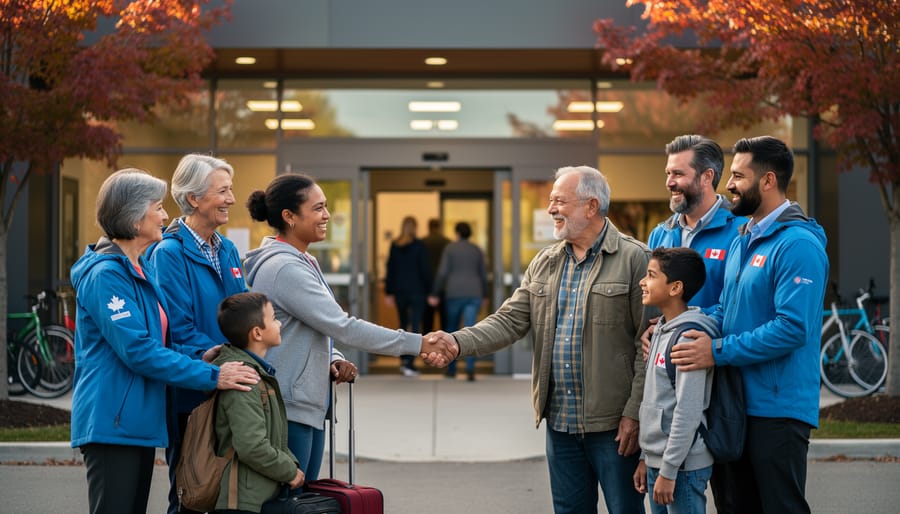
Every year, thousands of refugees arrive in Canada carrying hopes for safety, dignity, and belonging—yet the journey from arrival to true integration remains one of our nation’s most pressing humanitarian challenges. While Canada welcomes approximately 25,000 to 30,000 refugees annually, many face formidable barriers that can take years, sometimes generations, to overcome: language acquisition, credential recognition, employment discrimination, and the profound trauma of displacement.
Integration is not simply about surviving in a new country—it is about thriving, contributing, and being embraced as equal members of our communities. When refugees struggle to find meaningful work despite professional qualifications, when children face isolation in schools, when families cannot access mental health support in their own languages, we all lose the tremendous gifts these newcomers bring. The economic potential alone is staggering: studies show that successful refugee integration generates significant returns through increased tax contributions, entrepreneurship, and workforce participation.
Yet this challenge also presents an extraordinary opportunity for faith communities and socially conscious Canadians to embody values of compassion and justice. Across the country, innovative programs are demonstrating what becomes possible when we move beyond mere resettlement toward genuine welcome—mentorship initiatives connecting refugees with established Canadians, skills-bridging programs fast-tracking professional integration, and community sponsorship models that transform strangers into neighbors.
The question is not whether refugees can integrate successfully—evidence proves they can and do—but whether we will dismantle the systemic barriers preventing them from reaching their full potential. This article explores both the obstacles refugees face and the faith-driven, practical solutions already making a difference, inviting each of us to participate in building a more inclusive Canada.
The Promise and the Reality: Understanding Refugee Integration in Canada

What Integration Really Means
Integration isn’t about asking newcomers to abandon who they are and simply blend into an existing cultural landscape. True integration is a beautiful, reciprocal process where both refugees and host communities grow and transform together. When a Syrian family shares their culinary traditions at a community potluck, or when Canadian neighbours learn Arabic phrases to welcome their new friends, that’s integration in action.
This two-way street means refugees bring their skills, perspectives, and cultural richness to Canadian society while simultaneously learning new languages, navigating systems, and building connections. Meanwhile, host communities expand their worldview, challenge assumptions, and discover how their own lives are enriched through meaningful relationships with newcomers.
From a faith perspective, this mutual transformation reflects the scriptural call to welcome the stranger—recognizing that in doing so, we ourselves are blessed and changed. Integration flourishes when we approach it not as a burden one group bears alone, but as a shared journey where everyone participates in creating stronger, more compassionate communities that honour both our common humanity and our diverse expressions of it.
The Gap Between Policy and Experience
Canada’s welcoming rhetoric often stands in stark contrast to the barriers newcomers face on the ground. While our nation proudly declares its commitment to refugee protection, many arrive to discover a challenging reality: credentials go unrecognized, forcing doctors to drive taxis and engineers to stock shelves. A Syrian family resettled in Toronto may wait eighteen months for subsidized housing while navigating a rental market that demands Canadian credit history they don’t possess. Language classes have lengthy waitlists, yet employment requires fluency. Mental health supports remain culturally inaccessible despite profound trauma from displacement.
This disconnect reveals a troubling truth: our systems weren’t designed with refugees in mind. Settlement agencies operate on stretched budgets while demand grows. The promise of integration becomes a exhausting obstacle course rather than a supported journey. For people of faith called to welcome the stranger, this gap demands our attention. These aren’t policy failures happening somewhere else—they’re happening in our communities, to families seeking the safety and opportunity Canada promised. Recognizing this disconnect is the first step toward bridging it through advocacy, accompaniment, and action rooted in compassion.
The Barriers Standing in the Way
Language: More Than Words on a Page
When Fatima arrived in Toronto, she spoke conversational English—but the specialized vocabulary of her nursing profession remained locked behind an invisible barrier. Language acquisition extends far beyond ordering coffee or asking for directions. Newcomers face the daunting task of mastering professional jargon, understanding cultural idioms that shape workplace dynamics, and navigating systems described in bureaucratic terminology that even native speakers find confusing.
Quality language training remains scarce, with many settlement programs offering only basic ESL classes that cannot bridge the gap to professional certification or meaningful employment. The challenge intensifies for parents trying to help children with homework or professionals attempting credential recognition. Yet communities of faith are responding with innovative solutions—from conversation circles that pair newcomers with Canadian families to specialized mentorship programs where professionals volunteer their expertise. These connections honor the dignity inherent in every person while acknowledging that true integration requires more than vocabulary lessons. It demands relationships that help newcomers understand the unspoken cultural nuances woven through Canadian communication. When we invest in comprehensive language support, we affirm that every refugee’s contribution matters to our shared future.

Employment That Honors Dignity and Skills
Imagine arriving in Canada as a surgeon, engineer, or teacher, only to find your years of expertise dismissed because your credentials aren’t recognized. This heartbreaking reality faces thousands of skilled refugees who contributed meaningfully to their homelands but now struggle to find employment that matches their qualifications.
The barriers are formidable. Credential recognition processes can take years and cost thousands of dollars—resources many newcomers simply don’t have. Professional licensing bodies often require Canadian work experience, creating an impossible catch-22. Language testing, even for proficient English speakers, presents another hurdle. The result? Doctors driving taxis, engineers working in warehouses, and teachers cleaning offices.
This underemployment represents more than personal loss—it’s a collective failure to honor human dignity and steward God-given talents. When we allow systemic barriers to waste the gifts refugees bring, we impoverish ourselves as much as them.
Yet change is possible. Bridging programs, mentorship initiatives, and advocacy for streamlined credential recognition are opening doors. Faith communities can champion these efforts, supporting refugees through financial assistance for recertification and connecting them with professional networks. Together, we can build an economy that recognizes worth beyond borders and celebrates the contributions of all.
Housing in an Impossible Market
Canada’s housing crisis has created nearly insurmountable barriers for refugee families seeking to rebuild their lives with dignity. Newcomers face a perfect storm of challenges: skyrocketing rental costs that consume entire monthly allowances, landlords who discriminate based on credit history or employment gaps, and waiting lists for affordable housing that stretch years into the future. A Syrian mother of three recently shared how her family spent eight months in a cramped motel room, paying premium rates while searching for a landlord willing to accept them. This housing insecurity doesn’t just affect physical shelter—it undermines children’s education, adults’ ability to secure employment, and families’ mental health. The situation demands our collective response rooted in the scriptural call to welcome the stranger. Faith communities are uniquely positioned to advocate for anti-discrimination enforcement, sponsor refugee families as co-signers, and support culturally sensitive housing initiatives. When we ensure refugees have stable homes, we’re not just solving a practical problem—we’re affirming their inherent worth and creating the foundation for true integration and flourishing.
The Invisible Wounds: Mental Health and Trauma
Behind every refugee’s journey lies a weight often invisible to the eye—the profound psychological toll of displacement. Many newcomers to Canada carry trauma from violence, persecution, and harrowing journeys to safety. Studies reveal that refugees experience PTSD at rates up to ten times higher than the general population, yet face significant barriers accessing mental health support.
Family separation compounds this anguish. Parents who fled alone carry the grief of children left behind. Young people grapple with the loss of homeland and community networks that once sustained them. The isolation of starting over in an unfamiliar culture, often without language skills or cultural understanding of mental health care, leaves many suffering in silence.
Canada’s mental health system, already strained, struggles to meet refugees’ unique needs. Long wait times, lack of culturally appropriate services, and shortage of multilingual counselors create additional obstacles. Many refugees come from communities where mental health challenges carry stigma, making it even harder to seek help.
As people of faith and conscience, we recognize that healing encompasses body, mind, and spirit. Supporting trauma-informed care, advocating for expanded mental health services, and creating welcoming communities where refugees find genuine belonging becomes our sacred responsibility. True integration acknowledges these invisible wounds and walks alongside newcomers on their journey toward wholeness and hope.
What Faith Communities Are Already Doing Right
Private Sponsorship: Neighbors Welcoming Neighbors
Canada’s private sponsorship program stands as a beacon of hope, demonstrating how everyday citizens can transform lives. Since 1979, this distinctive model has enabled groups of five or more Canadians to directly sponsor refugee families, taking responsibility for their initial settlement and integration.
Faith communities have been at the heart of this movement. Churches, mosques, synagogues, and temples across Canada have opened their doors and their hearts, embodying the sacred call to welcome the stranger. These sponsorship groups provide more than financial support—they offer friendship, cultural guidance, and a genuine sense of belonging that government programs alone cannot replicate.
Consider the story of the Ahmadi family from Syria, sponsored by a United Church congregation in Halifax. Within two years, both parents found meaningful employment, their children excelled in school, and they became active community volunteers. The sponsoring group didn’t just help them settle; they walked alongside them, celebrating milestones and navigating challenges together.
This neighbor-to-neighbor approach creates lasting bonds that benefit everyone involved. Sponsors consistently report that the experience enriches their own lives, deepening their understanding of global injustice while allowing them to live out their values in concrete ways. It’s integration rooted in relationship—exactly what newcomers need to truly thrive.
Building Bridges Through Relationship
Across Canada, faith communities are transforming refugee integration through intentional relationship-building initiatives that bridge cultural divides and foster genuine belonging. These connections become lifelines for newcomers navigating unfamiliar systems and customs.
Mentorship programs pair established community members with refugee families, offering guidance that extends far beyond practical support. In Toronto, a church-based mentorship initiative connects Syrian families with Canadian mentors who help navigate everything from grocery shopping to understanding school systems, creating friendships that last years beyond the initial settlement period.
Language circles hosted in mosques, churches, and temples provide safe spaces where refugees practice English or French while sharing their own languages and cultures. These informal gatherings build confidence and combat isolation, with participants often describing them as the highlight of their week.
Employment networks organized by faith communities leverage professional connections to open doors for skilled refugees facing credential barriers. A Vancouver synagogue’s job placement program has successfully connected over fifty refugees with meaningful employment by matching their skills with congregants’ business networks.
Social connection initiatives like community potlucks, sports leagues, and cultural celebrations create natural opportunities for relationship-building. These gatherings remind us that integration flows both ways—enriching Canadian communities while helping newcomers find their place. When we invest in genuine relationships, we discover that welcoming the stranger transforms us all, building stronger, more compassionate communities rooted in our shared humanity.

Policy Changes That Would Make a Real Difference
Streamlining Credential Recognition
Canada’s credential recognition system needs urgent reform to honor the gifts refugees bring. Currently, doctors drive taxis while engineers stock shelves—not because they lack skills, but because bureaucratic barriers prevent them from contributing fully. We can do better.
Provincial governments should establish fast-track assessment programs specifically for refugee professionals, recognizing that delay costs both individuals and communities. Bridging programs connecting newcomers with Canadian mentors in their fields create pathways while respecting professional standards. Several provinces have begun this work, but expansion requires sustained advocacy and funding.
Faith communities can champion these changes by partnering with professional associations, hosting credential workshops, and connecting refugees with mentors. When we advocate for systems that recognize human dignity and potential, we embody the biblical call to welcome the stranger and help them flourish. Every skilled refugee unable to practice their profession represents both personal tragedy and communal loss. Together, we can build recognition processes that reflect Canadian values of fairness and opportunity.
Expanding Support Beyond the First Year
The first year of resettlement marks only the beginning of a refugee family’s integration journey. True belonging requires sustained commitment that extends well beyond initial arrival. Many newcomers find themselves navigating complex systems without adequate support just when they need it most—as government-funded services expire and the reality of building a new life fully sets in.
Extended language training proves essential for career advancement and meaningful community participation. While basic survival English may develop quickly, professional fluency requires years of dedicated learning. Similarly, mental health support cannot follow arbitrary timelines. Trauma healing unfolds gradually, often intensifying after the immediate crisis subsides and families begin processing their experiences.
Canada’s investment in longer-term settlement services reflects both compassion and wisdom. When we walk alongside newcomers through multiple years of transition, we honor the biblical call to welcome the stranger with genuine hospitality. Faith communities across Canada demonstrate this commitment beautifully, offering mentorship programs, language circles, and friendship that persist long after official programs end.
By advocating for extended services, we recognize that integration is not a checkbox but a sacred journey. Every Canadian benefits when newcomers receive the sustained support they need to contribute their full gifts to our shared future.
Creating Pathways to Meaningful Employment
Meaningful employment unlocks dignity, self-sufficiency, and belonging for refugees rebuilding their lives in Canada. Yet systemic barriers often prevent talented newcomers from contributing their skills. We must advocate for comprehensive employment programs that recognize foreign credentials and provide sector-specific training bridging experience gaps. Employers can become powerful allies through incentive programs offering wage subsidies and mentorship support for refugee hires, transforming workplaces into communities of welcome.
Anti-discrimination measures remain essential. Many refugees face bias despite possessing valuable expertise. Implementing blind resume screening, diversity targets, and cultural competency training helps dismantle prejudice in hiring practices. Faith communities can lead by example, creating job networks and connecting refugees with employers who value their contributions.
When we champion employment equity, we affirm that every person bears God’s image and deserves opportunity. Supporting refugees in finding meaningful work isn’t merely charitable—it’s an investment in stronger, more resilient communities. Together, we can build pathways where newcomers thrive professionally, enriching Canada’s workforce while reclaiming their sense of purpose and hope.
How You Can Be Part of the Solution
Direct Action: Volunteer and Advocate
You have the power to transform lives by taking direct action in your community. Begin by connecting with local refugee settlement agencies who urgently need volunteers for English conversation practice, job interview preparation, or cultural orientation. Consider becoming a family sponsor through your church or community group—walking alongside newcomers as they navigate their first months in Canada.
Advocacy begins with your voice. Contact your Member of Parliament to support increased funding for language training and credential recognition programs. Share refugee stories on social media to counter misinformation and humanize the statistics. Organize donation drives for essential items like winter clothing, household goods, and school supplies that make immediate differences in daily life.
Churches and faith communities can offer sanctuary spaces for community gatherings, provide childcare during settlement appointments, or create mentorship programs that pair established community members with refugee families. Remember the scriptural call to welcome the stranger—your hospitality reflects divine love in action.
Small acts matter profoundly. Invite a refugee family for dinner, help navigate public transit systems, or simply offer friendship during a season of profound adjustment. Every gesture of welcome builds the inclusive Canada we envision, where newcomers find not just safety, but genuine belonging and opportunity to thrive.
Amplifying Voices and Changing Narratives
Every conversation you have holds the power to reshape perspectives. When misconceptions about refugees surface in daily discussions—at coffee shops, family gatherings, or community meetings—you become a voice for truth. Challenge the false narratives that paint newcomers as burdens rather than contributors. Share the stories of resilience you’ve encountered, whether through personal relationships or organizational involvement. These human connections dismantle stereotypes more effectively than any statistic.
Consider your sphere of influence a sacred responsibility. Your faith calls you to speak truth with compassion, defending those who cannot defend themselves. Write letters to local newspapers, engage thoughtfully on social media, and educate your networks about the realities of displacement. When you witness a refugee business owner thriving in your neighbourhood or a Syrian family enriching your church community, amplify their success stories.
Challenge your elected representatives to prioritize refugee integration through increased settlement funding and streamlined credential recognition. Encourage your faith community to dedicate space in bulletins and sermons to refugee stories. Public opinion shifts when everyday Canadians like you refuse to remain silent. Your willingness to speak up creates ripples that transform communities, reminding others that welcoming the stranger reflects our highest values as Canadians and people of faith.
The ancient call to “welcome the stranger” is not merely a moral suggestion—it is a transformative imperative that shapes who we become as a society. When we choose to embrace newcomers fleeing persecution and devastation, we discover that integration is not a burden to bear but an opportunity to reimagine what community truly means. Every challenge we face in supporting refugee integration—language barriers, employment gaps, credential recognition—becomes an invitation to build more inclusive systems that benefit all Canadians.
The evidence speaks clearly: communities that intentionally invest in refugee integration experience economic revitalization, cultural enrichment, and strengthened social bonds. These outcomes are not accidental. They emerge when we move beyond seeing refugees as people who need help and recognize them as neighbors, colleagues, and fellow creators of Canada’s future. Integration succeeds when we design it not as a one-way process of assimilation, but as a mutual journey of transformation.
This is the moment to act. Whether you connect with a local settlement agency, advocate for policy changes that remove systemic barriers, or simply extend friendship to a newly arrived family, your contribution matters profoundly. Faith communities across Canada are already demonstrating what’s possible through sponsorship programs, language circles, and employment mentorship. Their witness proves that when we lead with compassion and commitment, integration strengthens the fabric of our nation.
The question before us is simple: Will we answer the call to welcome the stranger, knowing that in doing so, we welcome transformation itself?