
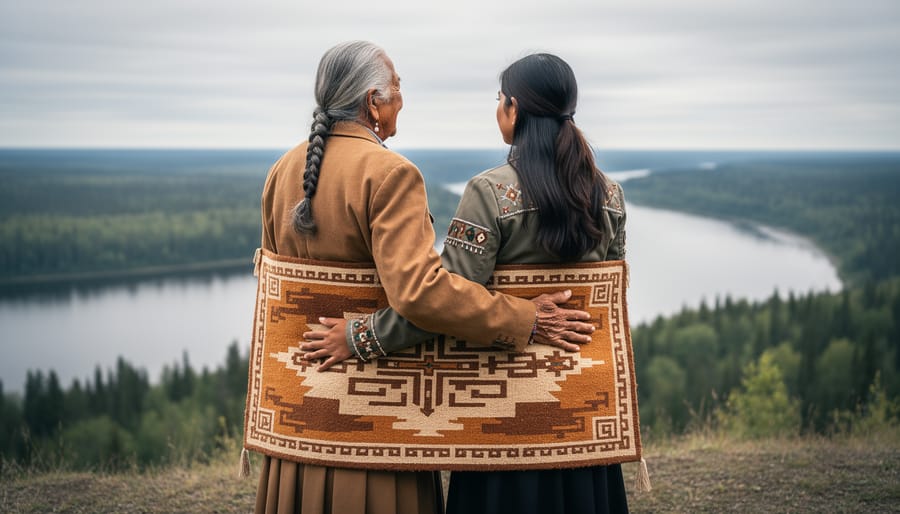
Across Canada and around the world, Indigenous communities continue to face systematic marginalization, their ancestral lands threatened and their voices excluded from decisions that shape their futures. Yet within the halls of the United Nations, a powerful framework exists to protect and advance these fundamental rights. The UN Declaration on the Rights of Indigenous Peoples, adopted in 2007 and endorsed by Canada in 2016, represents the most comprehensive international instrument addressing the rights of Indigenous peoples today.
This isn’t merely a symbolic document gathering dust in diplomatic archives. The Declaration establishes minimum standards for the survival, dignity, and well-being of over 370 million Indigenous people worldwide, including approximately 1.8 million First Nations, Inuit, and Métis peoples in Canada. It affirms their right to self-determination, lands and resources, cultural preservation, and free, prior, and informed consent on matters affecting their territories.
For people of faith and conscience, these rights resonate deeply with calls for justice found throughout sacred texts. The mandate to protect the vulnerable, honour treaties, and care for creation intersects directly with Indigenous rights advocacy. When we stand alongside Indigenous communities defending their lands from extractive projects, we’re answering a moral imperative that transcends politics.
Understanding these UN-enshrined rights equips Canadians to become more effective advocates, whether pushing for stronger federal legislation, supporting land back movements, or challenging corporate practices that violate Indigenous sovereignty. The framework transforms abstract principles into concrete tools for accountability and change.
The Foundation: Understanding UN Indigenous Peoples Rights
The UN Declaration on the Rights of Indigenous Peoples stands as a landmark achievement in international human rights law. Adopted by the General Assembly in 2007, UNDRIP sets forth minimum standards for the survival, dignity, and wellbeing of Indigenous peoples worldwide. It’s not a legally binding treaty, but a powerful framework that outlines what justice looks like for the world’s 476 million Indigenous people.
At its heart, the Declaration recognizes that Indigenous peoples have suffered historic injustices through colonization and dispossession of their lands, territories, and resources. It affirms their collective rights as distinct peoples while protecting their individual human rights. The document covers 46 articles spanning rights to self-determination, land and resources, cultural integrity, education, health, and meaningful participation in decisions affecting their lives.
Understanding UNDRIP’s core concepts helps us grasp what true respect for Indigenous peoples requires:
- Self-determination
- The right of Indigenous peoples to freely determine their political status and pursue their economic, social, and cultural development according to their own priorities and values.
- Free, Prior and Informed Consent (FPIC)
- The principle that Indigenous peoples must give their consent before any project or policy affecting their lands, territories, or resources proceeds, with adequate time and information to make decisions.
- Cultural Rights
- Protection for Indigenous languages, spiritual practices, traditions, and knowledge systems, recognizing these as essential to identity and community wellbeing.
- Land and Resource Rights
- Recognition of Indigenous peoples’ rights to own, use, develop, and control their traditional territories and the natural resources within them.
Canada initially opposed UNDRIP, joining only three other nations in voting against it in 2007. That reluctance reflected deep tensions between Indigenous rights and existing Canadian legal and economic structures. It took nearly a decade for Canada to reverse course, endorsing the Declaration in 2016 and committing to implementation through legislation passed in 2021. Yet endorsement on paper doesn’t automatically translate to justice on the ground. These rights represent a moral imperative because they address centuries of harm and create a pathway toward genuine reconciliation built on respect and dignity.
The Living Reality: How Rights Violations Still Persist in Canada

Land Rights and Environmental Justice
The land rights of Indigenous peoples are inseparable from environmental justice. For thousands of years, Indigenous communities have served as guardians of Canada’s forests, waterways, and ecosystems, not as owners in the Western sense, but as sacred stewards entrusted with protecting creation for future generations.
Today, this stewardship faces mounting threats. Resource extraction projects, pipelines, mines, logging operations, continue to encroach on unceded territories, often without meaningful consent from the communities who call these lands home. The 2026 surge in lithium mining proposals across northern Canada exemplifies this tension: the rush toward green energy technologies threatens to replicate colonial patterns of extraction, prioritizing economic interests over Indigenous sovereignty and ecological balance.
When Indigenous land rights are violated, everyone loses. Studies consistently show that Indigenous-protected areas sustain healthier biodiversity than conventional conservation zones. Forests under Indigenous stewardship sequester more carbon. Rivers remain cleaner. This isn’t coincidental, it reflects millennia of accumulated knowledge about living in harmony with the land.
The climate crisis makes these rights more urgent than ever. Indigenous peoples manage or hold tenure over roughly 80% of the world’s remaining biodiversity, yet their voices are frequently excluded from environmental policy decisions. Recognizing and upholding land rights isn’t just about correcting historical wrongs. It’s about embracing the wisdom we desperately need to address the ecological emergency threatening us all.
Cultural Preservation Under Threat
When an Indigenous language disappears, it takes with it irreplaceable knowledge about the land, medicinal plants, sustainable practices, and worldviews that have sustained communities for millennia. Yet across Canada, only three of the seventy Indigenous languages are considered secure for long-term survival. The rest face extinction within decades unless urgent action reverses current trends.
Residential schools deliberately severed the transmission of language and cultural practices from Elders to children, creating gaps that communities continue working to bridge. Today’s threats are subtler but equally damaging: inadequate funding for language programs, lack of qualified teachers, and limited recognition of Indigenous languages in public institutions and educational systems.
Cultural ceremonies remain restricted in some regions, while sacred sites face desecration from development projects approved without proper consultation. Traditional knowledge holders are aging, and the rush to document their wisdom before it’s lost cannot replace the living practice of culture within thriving communities.
Cultural continuity isn’t merely about preserving the past. It directly affects mental health outcomes, youth resilience, and community cohesion. Studies consistently show that Indigenous youth connected to their language and culture experience lower rates of suicide and substance abuse, higher educational attainment, and stronger sense of identity and purpose.
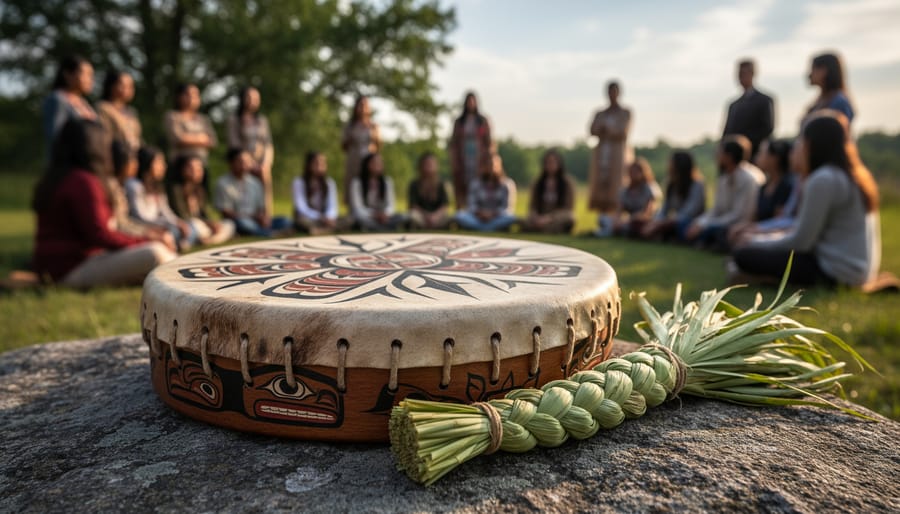
Faith, Justice, and Indigenous Rights: A Sacred Connection
Standing at the intersection of faith and justice means recognizing that Indigenous rights aren’t merely political issues, they’re sacred matters of human dignity. Scripture consistently calls believers to defend the vulnerable, to seek justice for the oppressed, and to honour the image of God in every person. When we read passages like Micah 6:8, which commands us to “act justly and to love mercy and to walk humbly,” we’re confronted with a clear mandate that extends to Indigenous peoples whose rights have been systematically violated.
The concept of reconciliation carries profound spiritual weight. It’s not a buzzword for government committees but a biblical principle that demands genuine repentance, meaningful restitution, and restored relationships. True reconciliation requires faith communities to listen deeply to Indigenous voices, acknowledge historical wrongs committed in the name of Christianity, and commit to being allies in the ongoing struggle for rights and dignity.
“Justice and spirituality cannot be separated. When we fight for the rights of Indigenous peoples, we’re honouring the Creator’s intention that all people live with dignity on the land entrusted to their care.”
This understanding transforms how we approach advocacy. Indigenous spirituality has always emphasized interconnection, with land, community, and the sacred. Faith communities can learn from this holistic worldview while offering solidarity grounded in shared values of stewardship, justice, and compassion.
Many churches, synagogues, and mosques across Canada are already engaging in this sacred work. They’re creating space for Indigenous-led worship, supporting land defenders, and examining their own histories with honesty. This isn’t about guilt; it’s about faithful response to a present-day call for justice that echoes through both scripture and Indigenous teachings.
Canada’s Responsibility: From Declaration to Action
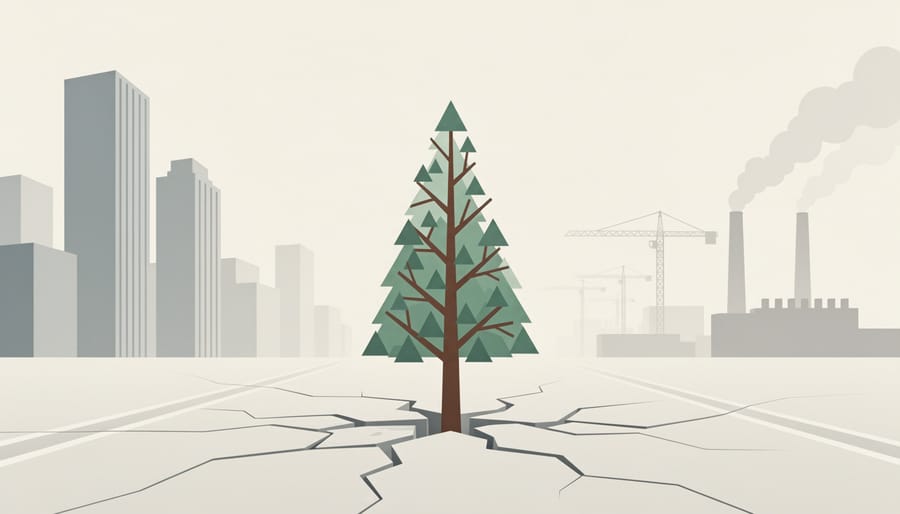
Canada signed the UN Declaration on the Rights of Indigenous Peoples without reservation in 2016, and in 2021, passed the United Nations Declaration on the Rights of Indigenous Peoples Act (UNDA). That legislation committed the country to aligning federal laws with UNDRIP’s principles. Five years later, the reality on the ground reveals a complex mix of progress and persistent gaps.
Meaningful implementation requires more than legislative frameworks. It demands consultation that respects free, prior, and informed consent, not checkbox exercises that ignore Indigenous voices. It means redirecting resources toward community-led solutions rather than imposing top-down programs. Several First Nations communities still lack access to safe drinking water despite government promises spanning decades. Housing crises continue. Healthcare disparities persist.
There have been genuine advances. Some provinces have begun integrating Indigenous legal traditions into their justice systems. Land back initiatives have returned territories to rightful stewards in British Columbia and elsewhere. The 2026 federal budget increased funding for Indigenous-led climate adaptation projects, recognizing that environmental protection and Indigenous rights are inseparable.
Yet setbacks continue to undermine trust. Resource extraction projects still proceed without proper consent in some regions. Child welfare systems remove Indigenous children from their families at rates that echo residential school trauma. Policy announcements arrive with fanfare but implementation drags or stalls entirely.
True accountability means establishing transparent mechanisms to measure progress against UNDRIP’s 46 articles. It means Indigenous peoples holding decision-making power over matters affecting their lives, lands, and cultures. Canada cannot claim to champion human rights globally while denying them at home.
The path from declaration to action isn’t optional or aspirational. It’s a legal and moral obligation that determines whether reconciliation remains empty rhetoric or becomes lived reality. Justice delayed remains justice denied, and the time for meaningful action is now.
How You Can Stand for Indigenous Rights Today
Standing for Indigenous rights doesn’t require grand gestures. It starts with intentional choices in your daily life and a commitment to learning and action.
Begin by educating yourself beyond what you’ve read here. Seek out books, podcasts, and documentaries created by Indigenous authors and filmmakers. Follow Indigenous activists and leaders on social media. Listen to their stories, perspectives, and calls to action without expecting them to educate you personally.
Support Indigenous-led organizations and businesses directly. When you purchase art, crafts, or food products, buy from Indigenous artisans and entrepreneurs. Donate to Indigenous-led nonprofits working on issues like clean water access, housing, education, and cultural preservation. Your financial support helps these communities maintain autonomy over their own advocacy and development.
- Contact your Member of Parliament and demand full implementation of UNDRIP and adequate funding for Indigenous services.
- Attend local events celebrating Indigenous culture and learn about the traditional territories where you live.
- Amplify Indigenous voices by sharing their content and campaigns within your networks.
- Join or start a reconciliation circle in your faith community to study Indigenous spirituality and justice issues together.
- Challenge racist remarks or stereotypes when you encounter them in conversation or media.
- Support land back initiatives and advocate for the protection of sacred sites in your region.
If you’re part of a faith community, propose partnerships with local Indigenous churches or spiritual leaders. Organize solidarity events, prayer vigils, or educational workshops that center Indigenous perspectives. Many congregations are discovering that reconciliation deepens their own spiritual practice while contributing to collective healing.
Remember that this work requires humility and patience. You’ll make mistakes, but staying engaged despite discomfort demonstrates genuine commitment to justice.
The journey toward justice for Indigenous peoples is not a distant ideal, it’s a living commitment that calls each of us to action today. Throughout this exploration of UN Indigenous Peoples Rights, we’ve seen how faith, environmental stewardship, and human dignity converge in this sacred work. Canada’s future depends on our willingness to honor these rights not just in policy documents, but in transformed relationships and restored communities.
You don’t need to wait for governments to act. Start conversations in your faith community. Support Indigenous-led organizations. Amplify Indigenous voices in your networks. Every action, no matter how small it seems, contributes to the larger movement for reconciliation and justice.
This work is both spiritual practice and practical necessity. When we stand with Indigenous peoples, we stand for the values that define us as a compassionate, just society. Join our newsletter to stay informed about Indigenous rights advocacy, learn about new ways to engage, and connect with a community committed to building a Canada where every person’s dignity is honored and every culture’s wisdom is cherished.
The time for action is now. What will your first step be?