
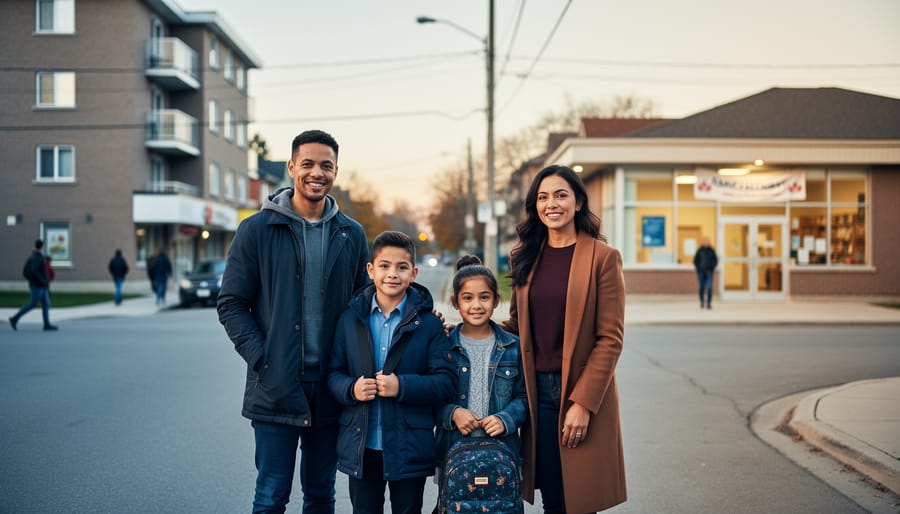
Socioeconomic status (SES) refers to a person’s position in society based on income, education, and occupation, and it profoundly shapes health outcomes at every stage of life. People living with lower income, less education, or in precarious work face higher rates of chronic disease, mental illness, and premature death compared to those with greater economic and social resources.
This disparity is not a matter of individual choices alone. The relationship between socioeconomic status and health operates through interconnected pathways: the neighbourhoods we live in, the quality of food we can afford, our exposure to workplace hazards, the stress of financial insecurity, and our access to healthcare and preventive services. In communities across Canada, these inequities are visible and measurable. Indigenous populations, recent immigrants, single parents, and racialized communities disproportionately experience both poverty and poor health outcomes, revealing how economic injustice translates directly into physical suffering.
For people of faith, this connection raises urgent moral questions. If health is a gift and our bodies are sacred, how do we respond when economic systems systematically deny some people the conditions they need to flourish? How do we live out the call to justice when a child’s postal code predicts their life expectancy?
This article explores the mechanisms linking socioeconomic status to health, breaks down the key dimensions through which SES operates (income, education, employment, and social standing), and examines where these patterns show up most acutely in Canadian society. Understanding how poverty makes people sick is the first step toward building communities where everyone has the opportunity for health and wholeness.
What Socioeconomic Status Means for Health
Socioeconomic status is your position in society based on factors like how much money you earn, how much education you have, what kind of work you do, and where you live. It shapes the conditions of your daily life, whether you can afford nutritious food, live in a safe neighborhood, take time off when sick, or access preventive care. These conditions, in turn, profoundly shape your health.
- Socioeconomic Status (SES)
- A person’s social and economic position relative to others, typically measured by income, education level, occupation, and neighborhood characteristics.
- Health Equity
- The principle that everyone should have a fair opportunity to achieve their full health potential, regardless of socioeconomic position or other social circumstances.
- Health Disparities
- Preventable differences in health outcomes between groups, often linked to social, economic, or environmental disadvantage.
- Social Determinants of Health
- The conditions in which people are born, grow, work, live, and age that shape health outcomes, including economic stability, education access, neighborhood quality, and healthcare availability.
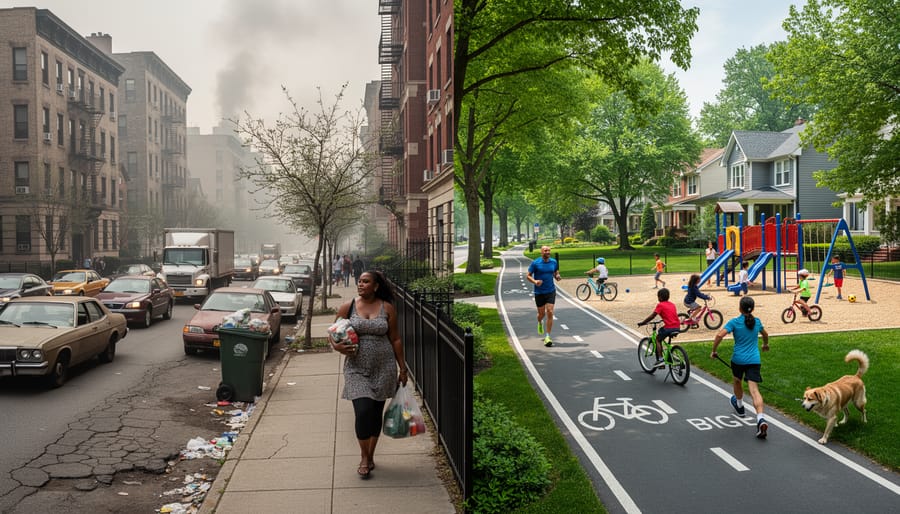
Income determines whether you can afford medication, healthy groceries, or a home free from mold and pests. Education shapes your ability to understand health information, navigate complex systems, and advocate for yourself in medical settings. Your occupation affects whether you face physical dangers at work, have flexibility to attend appointments, or carry the chronic stress of precarious employment. Your neighborhood influences exposure to pollution, access to parks and fresh food, and the safety of your daily environment.
These differences create measurable health gaps. Research consistently shows that people with lower incomes, less education, or more precarious work experience higher rates of chronic disease, mental health challenges, and earlier death. The gradient is not just about poverty versus wealth, health improves at each step up the socioeconomic ladder.
From a scientific lens, SES matters because it shapes the fundamental resources needed for health. From a faith perspective rooted in justice, these disparities matter because every person carries inherent dignity and worth. When socioeconomic barriers prevent people from thriving, we face both a public health crisis and a moral imperative. Addressing these gaps means recognizing that health is not merely a personal responsibility but a reflection of whether our society ensures fair opportunity for all.
How Socioeconomic Status Shapes Health Outcomes
Material Pathways: Access and Resources
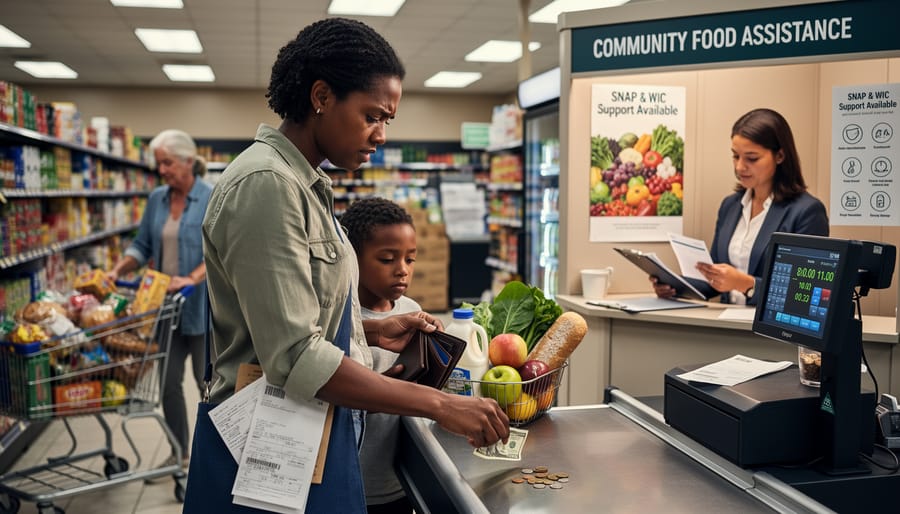
Income creates immediate, tangible differences in health through what people can and cannot afford. A family living paycheque to paycheque faces stark choices: buy fresh vegetables or pay the heating bill, fill a prescription or cover transit costs to work, repair a leaking roof or keep the car running. These aren’t abstract trade-offs, they’re daily decisions that compound over time into measurable health consequences.
Even with Canada’s universal healthcare system, income determines access in ways many overlook. Prescription medications, dental care, vision care, mental health services, and physiotherapy typically aren’t covered under provincial plans. Lower-income Canadians report delaying or skipping necessary medications because of cost, while wealthier households simply fill the prescription. The system’s cost-related access barriers mean that preventive care often becomes a luxury rather than a standard.
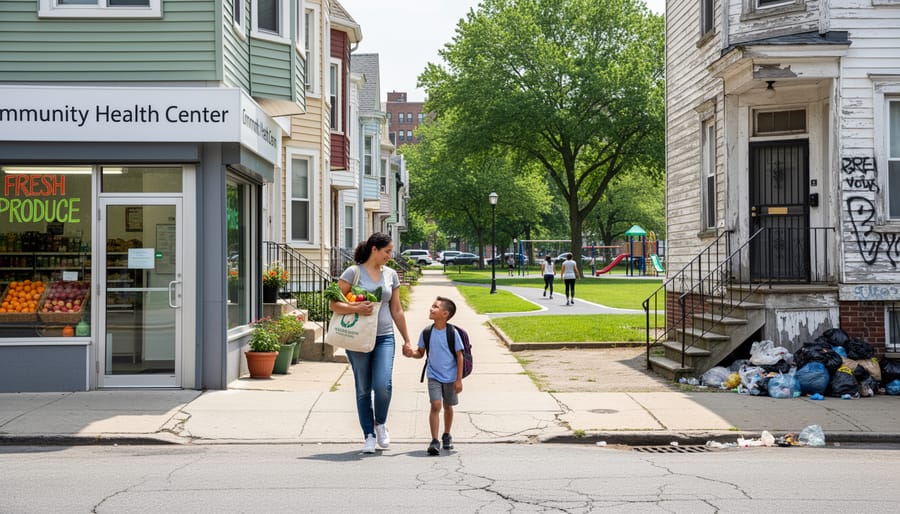
Housing quality matters profoundly. Affordable units in Canada’s cities often mean older buildings with mould, inadequate heating, pest infestations, or proximity to industrial pollution, all linked to respiratory disease, lead exposure, and chronic stress. Nutritious food becomes prohibitively expensive in both low-income urban neighbourhoods and remote communities, where a head of broccoli can cost what an entire fast-food meal does elsewhere. When healthy choices require resources you don’t have, the gap between knowing what’s good for you and being able to act on it becomes a chasm.
Psychosocial Pathways: Stress and Control
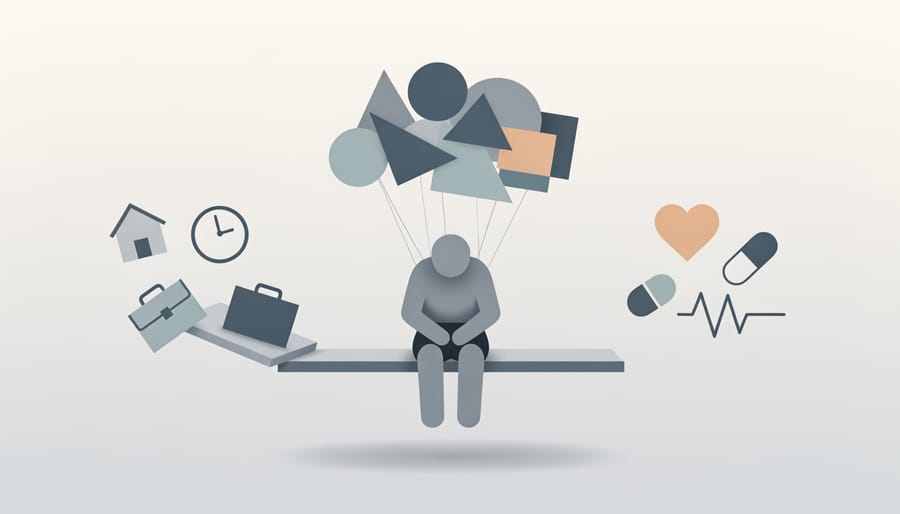
Living with financial insecurity creates a persistent state of vigilance that wears down the body over time. When you’re uncertain whether you can pay rent, afford groceries, or handle an unexpected expense, your stress response system never fully switches off. This chronic activation floods your body with cortisol and other stress hormones, raising blood pressure, weakening immune function, and increasing inflammation, biological changes that accumulate into serious health conditions.
The lack of control matters as much as the scarcity itself. People in lower socioeconomic positions often face rigid work schedules, unpredictable hours, and little say over their daily circumstances. This powerlessness intensifies stress. Research shows that jobs combining high demands with low control create particularly damaging health effects, independent of income level.
Social marginalization compounds these burdens. Economic struggle can lead to isolation, skipping social gatherings because you can’t afford them, moving frequently, or working multiple jobs that leave no time for community. The shame attached to poverty in our society adds another layer of psychological strain. From a faith perspective, we recognize this as a violation of human dignity: everyone deserves to live without the constant burden of survival anxiety.
These psychosocial pathways don’t require extreme poverty to operate. Even moderate economic disadvantage creates enough stress and constraint to measurably harm health, particularly when sustained across years.
Environmental and Behavioral Factors
The neighborhoods people can afford to live in profoundly shape their daily health environment. Lower-cost housing often clusters near industrial sites, highways, or waste facilities, exposing residents to higher levels of air pollution, noise, and contamination. These communities may lack parks, grocery stores with fresh produce, safe sidewalks, or well-maintained recreational facilities. Children growing up in such areas face barriers to outdoor play and physical activity that wealthier neighborhoods take for granted.
These environmental constraints narrow the range of healthy choices available. When the nearest store sells mostly processed food, when unsafe streets discourage walking, when shift work leaves no time for meal preparation, the structural barriers matter far more than individual motivation. People living with economic hardship often understand what supports health but face genuine obstacles to acting on that knowledge.
Recognizing these realities means seeing health behaviors not as personal failures but as responses to constrained circumstances. A parent working multiple jobs and relying on transit has less capacity to prepare fresh meals or attend medical appointments than someone with flexible hours and a car. Housing instability disrupts sleep, increases stress, and makes managing chronic conditions nearly impossible. Addressing these health disparities requires changing the structures that limit options, not lecturing individuals about better choices.
Different Dimensions of Socioeconomic Health Disparities
Income-Based Health Gaps
Household income shapes health in measurable, persistent ways. Research consistently shows that as income rises, health outcomes improve, not just at the poverty line, but across the entire income spectrum. Canadians with higher incomes live longer, experience fewer chronic diseases, and report better mental health than those earning less.
This gradient persists even when we account for education and occupation. Socioeconomic gradients in outcomes appear in diabetes rates, heart disease, respiratory conditions, and life expectancy. The pattern holds true despite Canada’s universal healthcare system, revealing that income affects health through multiple pathways beyond medical access.
Lower-income households face compounding barriers: less nutritious food, substandard housing, neighborhoods with fewer green spaces, and limited ability to take time off work when sick. These material constraints accumulate over time, wearing down health reserves and accelerating aging. The income-health relationship isn’t about individual failure. It reflects how our economic structures distribute the resources and conditions necessary for well-being.
Education’s Protective Effect
Education opens doors that extend far beyond the classroom, it shapes how long we live and how well. Canadians with higher levels of education tend to experience better health outcomes throughout their lives, not because learning itself cures disease, but because it builds capacity across multiple dimensions. A university degree or college diploma increases access to stable employment with benefits, higher income, and workplace autonomy. These material advantages matter, but education also cultivates health literacy: the ability to understand medical information, navigate healthcare systems, ask informed questions, and advocate for appropriate care.
This empowerment effect proves particularly valuable when facing complex diagnoses or chronic conditions requiring sustained self-management. People with more education typically feel greater control over their circumstances, a psychological resource that buffers stress and supports healthier choices even within constrained options. Educational attainment intersects with other vulnerabilities, low education correlates with higher rates of homelessness health crises and housing instability, compounding risk. The protective effect begins early: children whose parents completed postsecondary education inherit advantages in nutrition, healthcare access, and educational support that shape their own trajectories. Barriers to education therefore become barriers to health across generations, making equitable access to quality learning a health justice issue as much as an economic one.
Occupational Health Inequalities
The type of work we do shapes our health in profound ways that extend far beyond a paycheque. Those in physically demanding occupations, construction workers, agricultural labourers, healthcare aides, face higher rates of injury, chronic pain, and long-term disability. Meanwhile, service sector jobs often mean irregular hours that disrupt sleep, unpredictable schedules that create chronic stress, and limited control over working conditions that erode both mental and physical wellbeing.
Employment status also determines access to benefits that buffer health risks. Precarious work typically means no sick days, forcing people to choose between their health and their income. Lack of dental or prescription coverage creates barriers to preventive care that compound over time. The absence of workplace protections leaves vulnerable workers exposed to hazards that would be unacceptable in professional settings.
Every job holds dignity and contributes value to our communities, from those who support shelters to those who build our infrastructure. Yet we must acknowledge that occupational risks remain deeply unequal. Creating workplaces that protect all workers equally reflects our commitment to justice and the inherent worth of every person’s labour and health.
Where Socioeconomic Health Disparities Show Up in Canada
In Canada, the health consequences of socioeconomic disadvantage aren’t abstractions, they’re visible in our communities, shaped by where we live, who we are, and the opportunities available to us.
Geographic location matters profoundly. Rural and remote communities face shortages of healthcare providers, longer travel times to specialists, and limited access to preventive services. Someone managing diabetes in a northern Ontario town encounters barriers their urban counterpart never faces: fewer physicians, less frequent lab testing, higher costs for fresh produce. These gaps compound existing vulnerabilities, particularly in regions with limited economic opportunities and aging populations.
Indigenous health equity remains one of Canada’s most urgent justice issues. First Nations, Inuit, and Métis peoples experience higher rates of chronic disease, infant mortality, and mental health challenges, outcomes rooted not in culture or genetics but in generations of colonial policies, inadequate infrastructure, crowded housing, and discriminatory healthcare experiences. Communities without clean water or adequate food security face health crises that reflect policy failures, not individual choices.
Newcomers to Canada arrive with diverse health profiles, often shaped by pre-migration trauma, displacement, and interrupted care. Refugee health challenges include untreated conditions, language barriers in healthcare settings, and difficulty navigating unfamiliar systems. Economic immigrants may start with good health but face employment precarity, credential recognition barriers, and workplace exploitation that erode well-being over time. The “healthy immigrant effect”, better initial health than native-born Canadians, often fades as socioeconomic stressors accumulate.
Regional variations reveal further inequities. Atlantic provinces with older populations and fewer economic opportunities show different health patterns than booming Alberta cities. Urban centers concentrate both wealth and deep poverty, creating sharp divides within neighborhoods. A Toronto postal code can predict life expectancy more accurately than smoking status.
These patterns aren’t natural or inevitable. They’re the visible footprint of policy choices: where we invest in infrastructure, how we distribute healthcare resources, which communities we prioritize. Recognizing these realities is the first step toward demanding the justice-driven change our faith calls us to pursue.
Faith-Driven Responses to Health Inequity
Faith communities across Canada are already responding to health inequity in ways that honour both immediate needs and long-term change. Churches, mosques, synagogues, and temples run community health clinics, food programs, and housing initiatives that serve people left behind by gaps in our healthcare system. These aren’t just charitable gestures; they’re acts of justice that affirm the dignity of every person and challenge the systems that create health disparities in the first place.
Effective faith-driven responses work on multiple levels. Direct service matters: organizing meal programs, supporting free clinics, and providing transportation to medical appointments can remove immediate barriers to health. But these efforts grow more powerful when paired with advocacy that addresses root causes. When congregations donate to prevent homelessness or fund affordable housing initiatives, they’re treating the conditions that make people sick rather than just the symptoms.
Policy advocacy amplifies this work. Faith communities can press governments to strengthen public health funding, expand dental and vision coverage, improve working conditions, and increase affordable housing supply. You can join letter-writing campaigns, meet with elected officials, or support organizations working for health equity. Building relationships across income lines matters too: genuine friendships and partnerships between people of different socioeconomic backgrounds break down isolation and shift how we all see the problem.
This approach recognizes that systemic change and personal connection reinforce each other. When we see someone’s struggle with our own eyes, we advocate differently. When we work for policy change, we open space for individual dignity to flourish.
How The Impact of Socioeconomic Status on Health Works
The impact of socioeconomic status on health works through interconnected cycles that compound over time. Economic position creates the material conditions of daily life, what you can afford to eat, where you can afford to live, whether you can see a doctor when symptoms first appear. These conditions directly shape physical health outcomes while simultaneously generating chronic stress that wears down the body’s systems.
Education level influences how you understand health information, navigate complex medical systems, and advocate for yourself in clinical settings. It opens doors to employment with better working conditions, benefits, and control over schedules, all factors that protect health. Occupation determines not just income but exposure to physical hazards, toxic substances, ergonomic strain, and psychological demands.
These pathways don’t operate in isolation. Low income makes stable housing difficult. Unstable housing increases stress and limits sleep quality. Poor sleep weakens immunity and cognitive function. Weakened cognition makes job performance harder. Job insecurity deepens financial strain. The cycle reinforces itself while biological wear accumulates, creating widening health gaps that grow starker with each passing year. Breaking these cycles requires addressing the structural conditions that set them in motion, a matter of justice, not individual willpower.
Common Questions About Socioeconomic Status and Health
Understanding how socioeconomic status shapes health raises important questions that challenge common assumptions. These answers draw on established patterns while acknowledging the complexity of individual experiences and systemic factors.
Why does socioeconomic status affect health even in countries with universal healthcare?
Universal healthcare removes one barrier but doesn’t address the full range of social determinants. Income still shapes nutrition quality, housing conditions, neighborhood safety, workplace stress, and the time and resources available for preventive care.
Can individual choices overcome socioeconomic disadvantage when it comes to health?
Personal agency matters, but it operates within structural constraints. Someone working multiple jobs has less time for exercise and meal preparation, while unsafe neighborhoods limit outdoor activity options. Attributing health outcomes solely to choices ignores these real limitations.
How can policy reduce health inequities tied to socioeconomic status?
Effective policies address root causes: raising minimum wages, investing in affordable housing, improving neighborhood environments, expanding childcare access, and strengthening education systems. These interventions change the conditions that shape health across entire populations.
What role does discrimination play in the relationship between SES and health?
Discrimination compounds socioeconomic health disparities by limiting employment opportunities, concentrating poverty in specific communities, and creating chronic stress that damages health independently. Racism, in particular, creates health burdens that persist across income levels.
How are children affected differently by their family’s socioeconomic status?
Early life experiences shape lifelong health trajectories. Children in lower-income households face higher rates of toxic stress, food insecurity, housing instability, and environmental hazards during critical developmental periods. These early exposures influence health outcomes decades later.
These questions reveal a central truth: health inequities rooted in socioeconomic status aren’t puzzles to solve through individual effort alone. They’re justice issues requiring collective action. When we understand that a child’s zip code predicts their life expectancy, or that working two jobs to make ends meet leaves no time for preventive healthcare, we see the moral urgency of structural change. Faith communities have long recognized that true healing requires addressing both immediate needs and the systems that create those needs in the first place.
Health inequities tied to socioeconomic status aren’t written in stone. They emerge from decisions we make as a society, from the policies we enact and the structures we build. Every gap in access, every disparity in outcomes reflects choices about resource distribution, whose neighborhoods get investment, which communities receive quality services, and how we value different lives. That means we can choose differently.
Scripture calls us to care for the vulnerable and pursue justice for the marginalized. This isn’t abstract theology. It’s a mandate to reshape systems that allow economic position to determine whether someone gets quality healthcare, lives in a safe home, or has access to nutritious food. When we recognize each person’s inherent dignity, we can’t accept a reality where your postal code predicts your lifespan or your education level determines whether you receive compassionate care.
Play Against All Odds works to dismantle these barriers through advocacy for equitable policies and community-driven poverty alleviation. We believe that together, through sustained pressure for systemic change and grassroots support for affected communities, we can build a Canada where health depends on need rather than income. This work requires voices like yours, speaking up in policy consultations, supporting local initiatives, and holding decision-makers accountable.
Change happens when ordinary people refuse to accept preventable suffering as normal. Join us in demanding policies that put human dignity before profit, that invest in communities rather than abandon them, and that recognize health as a right, not a privilege reserved for those who can afford it.