
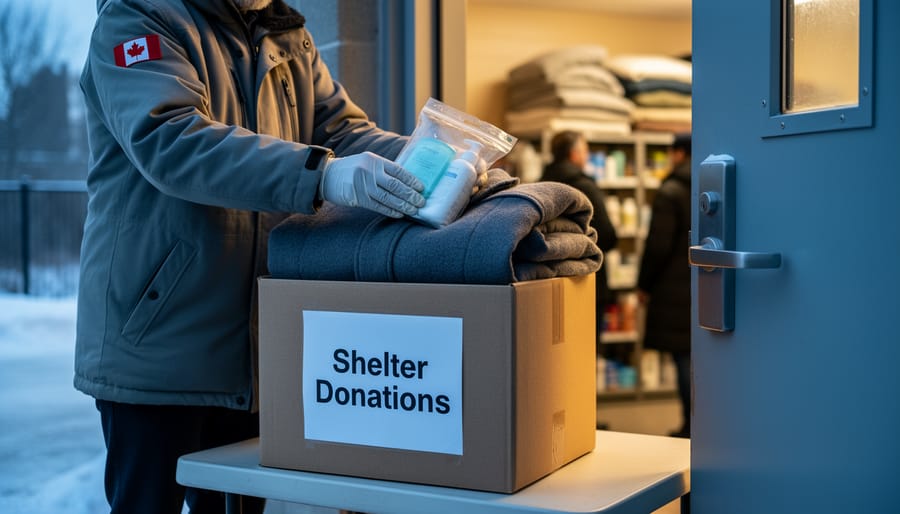
Finding a homeless shelter near you that accepts donations takes just minutes: search online for shelters in your city, call ahead to confirm their current needs, and drop off items during posted donation hours. Most shelters operate with lean budgets and rely heavily on community generosity to provide beds, meals, and essential services to people experiencing homelessness.
Your contribution, whether a bag of toiletries or a box of winter coats, meets urgent needs right now. Shelters across Canada serve thousands each night, offering not just a safe place to sleep but pathways to stability, dignity, and hope. The simple act of giving locally connects you to your neighbor’s struggle and to a broader call for justice that reaches beyond charity.
This isn’t just about clearing out your closet. Every donation you make reflects a choice to see the person behind the crisis, to acknowledge that homelessness is a failure of systems, not character. Faith communities have long understood this: caring for the vulnerable stands at the heart of living out values of compassion and solidarity.
In the pages ahead, you’ll learn exactly what shelters need most, how to organize a donation drive that mobilizes your community, and ways to move from individual giving to advocating for lasting change. Homelessness won’t end with donations alone, but your generosity today can stabilize someone’s tomorrow while you work toward the systemic solutions that prevent people from losing their homes in the first place.
Understanding the Critical Need in Canadian Communities
Canada’s homelessness crisis demands our attention every single day. Across our cities and towns, tens of thousands of people endure housing insecurity not because they lack worth, but because systemic failures have left them without shelter. Point-in-time homelessness counts reveal staggering numbers in major urban centres, yet these snapshots capture only a fraction of those cycling through temporary housing, couch-surfing, or sleeping rough in places official tallies miss.
Shelters serve as essential safety nets, offering more than beds. They provide dignity, connection, and pathways toward stability for neighbours experiencing profound vulnerability. For people of faith, responding to this need isn’t optional charity; it reflects the biblical mandate to welcome the stranger, clothe the naked, and uphold justice for the oppressed. Compassion calls us to see each person in a shelter as someone created in the divine image, deserving respect and genuine support.
Yet most Canadians concentrate their giving during November and December, leaving shelters scrambling the rest of the year. This seasonal spike creates feast-or-famine cycles that undermine consistent care. To break the donation drop-off pattern, we must recognize that homelessness doesn’t pause after the holidays. Spring rains, summer heat, and fall transitions bring their own challenges. Shelters need year-round support to maintain operations, replace worn supplies, and respond to changing needs.
Understanding this landscape transforms how we engage. Poverty alleviation begins when we move beyond occasional gestures toward sustained commitment, recognizing that our collective action can shift outcomes for real people facing real hardship right now.
How to Find Homeless Shelters Near You

Connecting Through Faith Communities
Faith communities across Canada serve as vital bridges between compassionate donors and homeless shelters. Many churches, mosques, synagogues, temples, and interfaith organizations either operate their own emergency housing programs or maintain active partnerships with local shelters. These connections offer more than convenience, they provide accountability and shared values.
Start by reaching out to your own place of worship or nearby congregations. Most have established relationships with vetted shelters and can guide you toward organizations that prioritize dignity, respect, and holistic care. Faith-based donation drives often coordinate directly with shelter staff to identify current needs, ensuring your contributions address real gaps rather than adding to storage overflow.
Religious organizations also create natural gathering points for collective action. A synagogue’s social justice committee might organize monthly supply drives, while a mosque’s outreach team coordinates winter coat collections. These existing structures make participation accessible and sustainable.
Beyond logistics, faith communities embed charitable work within spiritual practice. Your donation becomes part of a larger commitment to justice and mercy, connecting individual generosity to congregational mission. Ask your faith leader about shelter partnerships already in place, or suggest initiating one if none exists. This approach transforms isolated giving into sustained, community-rooted support.
Verifying Shelter Legitimacy and Impact
Before handing over your donations, it’s worth taking a few minutes to verify you’re supporting a legitimate organization. In Canada, registered charities must file publicly accessible returns with the Canada Revenue Agency. Visit the CRA’s Charities Listings page and search for the shelter’s name, you’ll see their registration number, financial summaries, and whether they’re in good standing.
Look beyond registration status. Ask shelters directly how they allocate donations. Credible organizations will readily explain their programs, overhead costs, and impact metrics. Many publish annual reports or impact statements on their websites. If a shelter hesitates to provide this information, that’s a red flag.
Check local reviews and ask your faith community about their experiences. Organizations embedded in the community, those partnering with churches, social services, and municipal programs, typically demonstrate greater accountability.
Remember, verification isn’t about distrust; it’s about stewardship. Ensuring your contributions reach people experiencing homelessness through effective, transparent organizations honours both the giver and the recipient. When you know your donations create genuine impact, you’re more likely to give consistently, and that sustained support matters far more than any single contribution.
What Homeless Shelters Actually Need: Beyond the Basics
Seasonal Considerations for Canadian Shelters
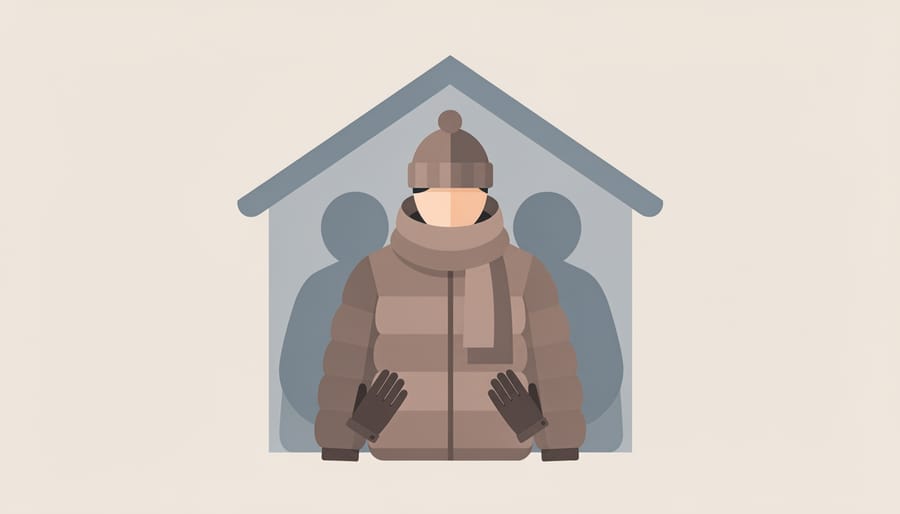
Canada’s climate dramatically shapes shelter needs throughout the year. Winter transforms survival requirements: from November through March, shelters urgently need insulated coats, thermal underwear, wool socks, waterproof boots, scarves, and gloves. Donate seasonal winter items that can withstand temperatures dropping to -30°C in many Canadian cities, as frostbite poses real danger to those without adequate shelter.
Spring brings transitional needs: lighter jackets, rain gear, and sturdy walking shoes become priorities as people spend more time outside. Summer, often overlooked by donors, creates different urgencies. Shelters require sunscreen, reusable water bottles, breathable clothing, and cooling supplies as urban heat islands push temperatures above 30°C. Dehydration and heat exhaustion affect vulnerable populations who lack air-conditioned spaces.
Fall marks preparation season. Shelters appreciate early donations of blankets and heavier clothing before winter demand spikes and inventories run low. Think beyond one-time giving: recurring donations timed to seasonal transitions help shelters plan inventory and budget resources effectively. Your February mittens matter, but so do your July hydration packs. Meeting year-round needs demonstrates sustained commitment to human dignity across all seasons.
Items Shelters Cannot Accept
Understanding what shelters cannot accept saves everyone time and resources. Most shelters refuse used mattresses, pillows, and upholstered furniture due to bedbug risks and hygiene concerns. Expired food, open toiletries, and homemade meals typically violate health regulations, no matter how lovingly prepared. Broken electronics, outdated medications, and damaged clothing create disposal burdens rather than solutions.
Many donors don’t realize that large appliances, exercise equipment, and bulky items often exceed shelter storage capacity. Alcohol-based products, including mouthwash and hand sanitizer in some facilities, may conflict with recovery programs. Even seemingly useful items like glass containers or aerosol cans can pose safety issues in communal living spaces.
Before donating, contact the shelter directly. Their current needs list respects both residents’ dignity and operational realities, ensuring your generosity creates genuine help rather than unintended obstacles.
Organizing and Participating in Donation Drives

Mobilizing Your Faith Community
Faith communities possess unique strengths that make them powerful allies in supporting homeless shelters. Churches, mosques, synagogues, and temples already gather people around shared values of compassion and justice, values that naturally extend to caring for our most vulnerable neighbours.
Start by presenting the need during services or community gatherings, connecting donations to your tradition’s teachings on hospitality and dignity. Many congregations respond enthusiastically when they see how tangible items translate into real human comfort. Designate collection points in high-traffic areas and assign volunteer coordinators to manage intake and sorting.
Leverage your community’s calendar strategically. Tie drives to religious observances, Advent, Ramadan, High Holy Days, when members are already reflecting on giving and service. This spiritual framing deepens participation beyond obligation into meaningful practice.
Partner with other local congregations to boost your donation drive impact through shared resources and broader reach. Interfaith collaboration demonstrates the universal call to justice while pooling volunteer capacity and donation volume.
Consider hosting information sessions where shelter staff speak directly to your community about their work and needs. Personal stories transform abstract charity into relationship, inspiring sustained commitment that extends well beyond a single drive.
Beyond Material Donations: Other Ways to Support
While physical donations address immediate needs, supporting homeless shelters extends far beyond dropping off goods. Volunteering your time creates relationships that challenge stigma and restore dignity, whether serving meals, mentoring residents, or helping with administrative tasks that keep shelters running. Many shelters welcome regular volunteers who can commit to consistent shifts, building trust and continuity that transient support cannot replicate.
Advocacy transforms individual charity into systemic change. Contact your municipal councillors about affordable housing policies, support provincial initiatives that fund mental health services, and amplify the voices of those experiencing homelessness in public conversations. Engaging with organizations like Play Against All Odds connects your local action to broader movements addressing the root causes of poverty and housing insecurity across Canada.
- Volunteer regularly at shelters to build meaningful relationships and provide consistent support
- Advocate for policy changes that address affordable housing and social services funding
- Share shelter stories and needs through your social media to expand community awareness
- Attend municipal meetings to speak in favour of homelessness prevention programs
- Mentor individuals transitioning out of shelters into stable housing
- Offer professional skills like resume writing, financial literacy workshops, or legal clinics
Financial contributions allow shelters to address their most pressing gaps flexibly, from hiring staff to covering utility costs during harsh winters. Monthly recurring donations help shelters budget effectively and keep impact consistent throughout the year rather than spiking during holidays and disappearing afterward.
Your faith calls you to see Christ in the vulnerable and to seek justice alongside mercy. Supporting shelters through time, voice, and sustained commitment honours that call more completely than any single donation drive ever could.
Finding a shelter near you was just the starting point. What began as a simple search has opened the door to something far more significant: joining a community of Canadians who refuse to accept homelessness as inevitable.
Your donations matter. Whether you’re dropping off winter coats at a local shelter, organizing a drive through your faith community, or advocating for policy changes that address the roots of housing insecurity, you’re participating in the work of restoring dignity to our neighbours. This isn’t charity for charity’s sake, it’s justice in action, grounded in the belief that every person deserves safety, warmth, and respect.
The shelters you’ve discovered in your community can’t solve systemic poverty alone. They need your sustained support, not just during the holidays but throughout the year. They need your voice demanding better from policymakers. They need your faith communities to lead with compassion and courage, showing what it looks like to truly love your neighbour.
Play Against All Odds exists to connect individual action with collective transformation. We’re building a movement where Canadians across faith traditions work together for housing justice, climate action, and human rights. Subscribe to our newsletter to stay connected with advocacy opportunities, community initiatives, and ways to deepen your impact beyond the donation bin. Your search for how to help doesn’t end here, it’s just beginning. Together, we can create communities where no one is left behind.