
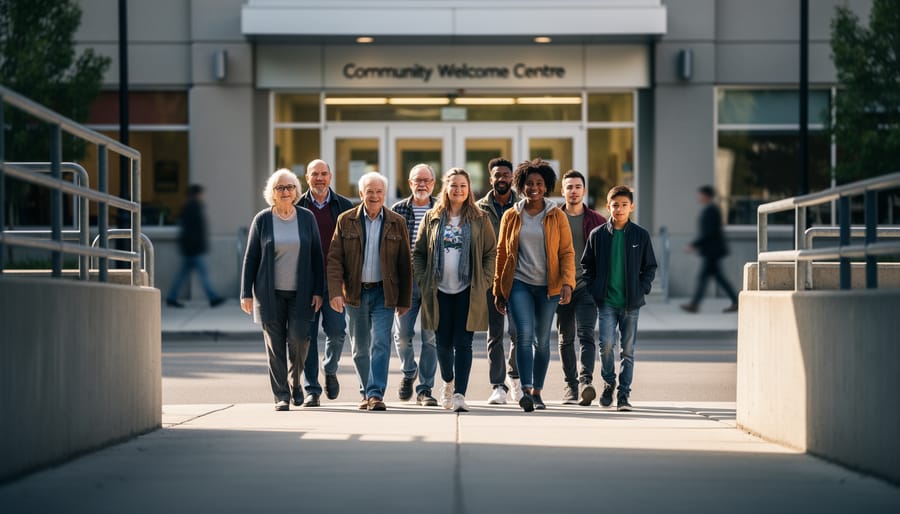
Marginalization is the systematic process through which certain groups are pushed to the edges of society, stripped of access to resources, opportunities, and decision-making power that others take for granted. It happens when structures, policies, and cultural practices combine to create barriers that prevent people from full participation in economic, social, and political life.
In Canada today, this isn’t an abstract concept. Statistics Canada released six population portraits in 2026 based on data collected through the Government of Canada’s Anti-Racism Strategy (2024-2028), examining the distinct experiences of Black, South Asian, Filipino, Chinese, Latin American, and Arab communities. The National Advisory Council on Poverty identifies a broader spectrum of marginalized groups: Indigenous people, immigrants, refugees, ethno-cultural communities, Black and racialized populations, 2SLGBTQIA+ people, persons with disabilities, people experiencing homelessness, children and youth in care, people living in institutions, and those in remote areas.
These aren’t isolated challenges. Food Banks Canada points to interconnected systems rooted in colonialism, racism, sexism, ableism, and other forms of oppression that create barriers to employment, housing, food security, education, healthcare, and childcare. UFCW Canada emphasizes that understanding how different populations experience these barriers is essential to addressing workplace discrimination and advocating for workers’ and human rights.
For people of faith and socially conscious Canadians, understanding marginalization means recognizing where our systems fail to reflect the dignity and worth of every person. This article will clarify how marginalization operates, who it affects, and how we can move from awareness to meaningful action rooted in justice and compassion.
What Marginalization Means
Marginalization is the systematic process through which individuals and groups are pushed to the edges of society, denied full participation in the political, economic, and social life of their communities. It isn’t a single act of exclusion but rather an ongoing pattern of barriers that prevent people from accessing opportunities, resources, and decision-making power that others take for granted. In Canada, marginalization operates through interconnected barriers to participation across multiple systems, from employment and housing to healthcare and education.
These barriers don’t exist in isolation. They’re built into structures and policies shaped by historical injustices, including colonialism, racism, sexism, and ableism. When systems create obstacles for specific groups while providing clear pathways for others, the result is marginalization. A person might face exclusion from stable employment not because of individual circumstances alone but because systemic factors limit their access to education, affordable childcare, or fair hiring practices.
- Systemic barriers
- Obstacles embedded in policies, practices, and institutional structures that disproportionately prevent certain groups from accessing opportunities and resources available to others.
- Structural injustice
- Deep-rooted inequalities built into the foundation of social, economic, and political systems, often stemming from historical oppression like colonialism and racism that continue to shape present-day outcomes.
- Disaggregated data
- Information broken down by specific population characteristics such as race, ethnicity, or disability status, essential for revealing how different groups experience marginalization in distinct ways.
Understanding marginalization through a faith lens means recognizing that every person carries inherent dignity and worth. When systems push people to the margins, they violate this fundamental truth. Justice requires not just acknowledging exclusion but actively working to dismantle the structures that perpetuate it and building pathways for full participation in community life.
How Marginalization Works in Canada
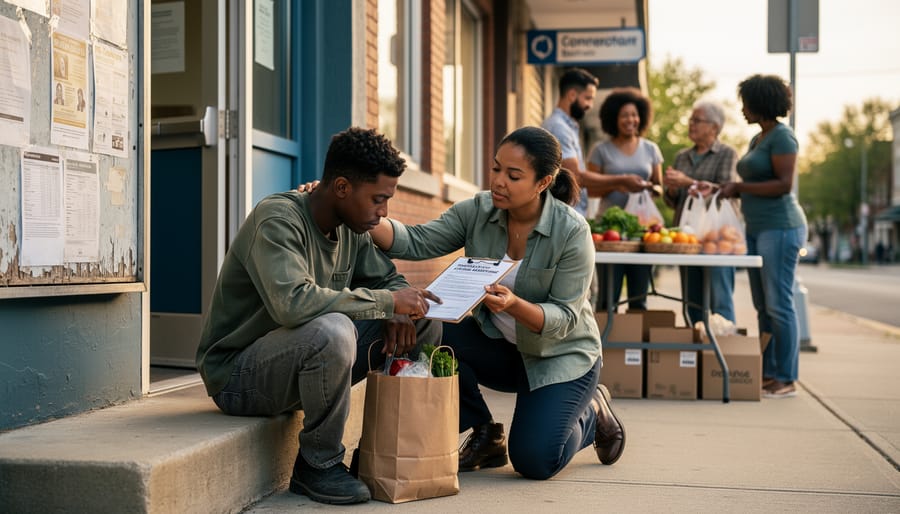
The Roots of Systemic Exclusion
Canada’s current inequalities did not appear overnight. Poverty and exclusion in this country are rooted in colonialism and racism, systems deliberately designed to concentrate power and resources in the hands of a few while denying entire populations their basic dignity. Colonial policies dispossessed Indigenous peoples of their lands, languages, and governance structures. Racist immigration laws excluded entire communities. Sexist employment practices barred women from economic independence. Ableist institutions locked people with disabilities out of public life.
These injustices did not end when the laws changed. They embedded themselves in how our economy distributes opportunity, how our institutions allocate resources, and how our culture assigns value to different lives. From a faith perspective, this represents structural sin, collective choices that perpetuate harm across generations. Understanding these roots is not about assigning guilt to individuals. It is about recognizing our shared responsibility to dismantle systems that continue to deny Canadians full participation in the life of their own country.
Barriers to Opportunity and Participation
The barriers blocking marginalized groups from full participation in Canadian society operate through interconnected systems that compound disadvantage. Food Banks Canada explains that structures rooted in colonialism, racism, sexism, ableism, and other forms of oppression create obstacles preventing underserved communities from accessing employment, housing, food, education, healthcare, and childcare. These barriers also limit political participation, silencing voices that need to be heard in decision-making processes.
When someone faces discrimination in hiring because of their name or accent, when a person with disabilities encounters buildings without accessible entrances, when a single parent cannot afford childcare that would allow them to work, these are not isolated incidents but manifestations of systemic exclusion. The connection between poverty and marginalization becomes clear when we see how structural barriers trap people in cycles of disadvantage.
Understanding how different population groups experience these barriers is essential for advocacy work. UFCW Canada emphasizes that this knowledge shapes effective responses to workplace discrimination and strengthens the fight for workers’ and human rights. Faith communities recognize that dismantling these barriers requires confronting the systems themselves, not just addressing individual symptoms, as part of the biblical call to justice and liberation.
Forms of Marginalization

Marginalization doesn’t follow a single pattern, it operates along multiple axes of marginalization that shape different barriers and experiences. The Ontario Marginalization Index identifies four primary dimensions that affect communities across Canada:
- Economic marginalization: barriers to employment, income security, and material resources that prevent financial stability and self-sufficiency
- Ethno-racial marginalization: systemic exclusion based on race, ethnicity, or cultural identity that limits opportunities and reinforces discrimination
- Age-based marginalization: disadvantages experienced by specific age groups, particularly youth and older adults, who face barriers to participation and support
- Social marginalization: isolation from community networks, civic engagement, and social supports that sustain wellbeing and belonging
These forms rarely exist in isolation. A racialized single mother living in a remote community might face compounding barriers, economic precarity intersecting with ethno-racial discrimination, geographic isolation, and gender-based inequality. An older immigrant with a disability encounters age-based, ethno-racial, and ability-based marginalization simultaneously. This intersection intensifies exclusion and makes pathways to opportunity harder to access.
The National Advisory Council on Poverty recognizes how these dimensions converge in the lives of Indigenous people, immigrants, refugees, 2SLGBTQIA+ communities, persons with disabilities, and people experiencing homelessness. When interconnected systems create barriers to employment, housing, food, education, healthcare, and political participation, the effects multiply. A person excluded from secure housing faces greater challenges accessing healthcare, maintaining employment, and participating in civic life, each barrier reinforcing the others.
Understanding these distinct yet overlapping forms matters because effective advocacy requires addressing specific mechanisms of exclusion. Economic supports alone won’t dismantle racist hiring practices. Anti-discrimination policies won’t solve the isolation faced by seniors in remote areas. Recognizing how homelessness harms people requires seeing the economic, social, and systemic forces that intersect to produce such devastating exclusion. Justice work demands responses tailored to the particular ways different communities encounter marginalization, and to the compounded reality when multiple forms converge.
Who Experiences Marginalization in Canada
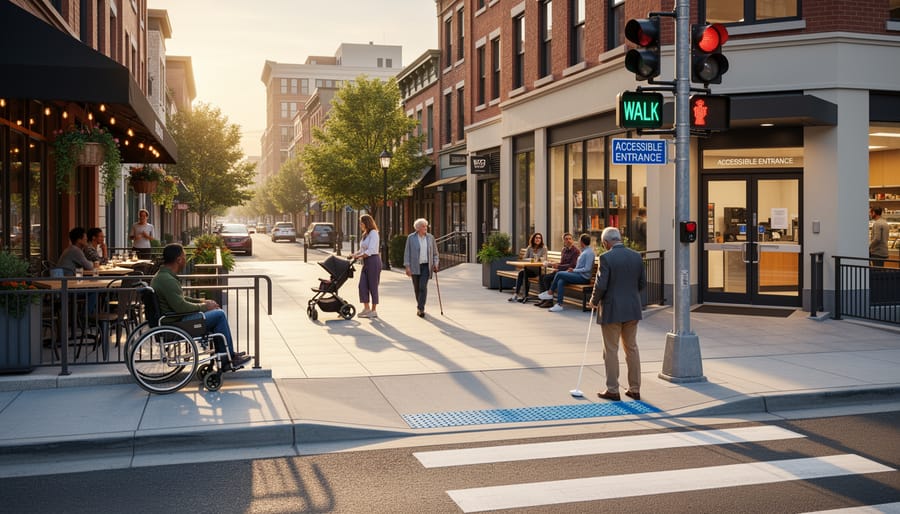
Marginalization in Canada touches distinct populations in different ways, each facing unique combinations of systemic barriers that limit their full participation in society. The National Advisory Council on Poverty identifies several key groups experiencing marginalization: Indigenous peoples, immigrants, refugees, ethno-cultural groups, Black and other racialized communities, 2SLGBTQIA+ people, persons with disabilities, people experiencing homelessness, children and youth in care, people living in institutions, and people in remote areas.
Within these broad categories, the experiences vary significantly. The six Statistics Canada population portraits released in 2026 examine Black, South Asian, Filipino, Chinese, Latin American, and Arab communities using disaggregated data that reveals how different racialized populations encounter barriers in employment, housing, education, and healthcare. This data-driven approach helps advocacy organizations understand how different groups experience integration barriers and shape targeted responses to workplace discrimination.
Indigenous peoples face ongoing impacts of colonialism that create persistent barriers to economic opportunity, safe housing, clean water, and healthcare access, particularly in reserve and settlement communities. Immigrants and refugees navigate language barriers, credential recognition challenges, and discrimination that prevent them from securing employment matching their skills and experience. Many arrive with professional qualifications that aren’t recognized in Canada, forcing them into precarious work far below their training.
2SLGBTQIA+ Canadians encounter discrimination in housing, employment, and healthcare settings, often facing hostile environments that compromise their safety and wellbeing. Persons with disabilities confront physical barriers in buildings and transportation, attitudinal barriers in hiring practices, and systemic gaps in accessible services that limit their independence and participation.
People experiencing homelessness face compounding barriers as lack of stable housing prevents access to employment, healthcare, and social services. Children and youth in care often lack the family support networks others rely on for educational advancement and career connections.
Significant data gaps affect certain marginalized groups, making their experiences less visible in official poverty statistics. Indigenous people living on reserves and settlements, 2SLGBTQIA+ individuals, asylum seekers, refugees, and people experiencing homelessness often aren’t captured in standard datasets, which means their specific needs can be overlooked in policy development and resource allocation.
Understanding who experiences marginalization and how requires this detailed, disaggregated approach. Different populations face different barriers rooted in distinct historical injustices, and effective justice work demands recognizing these particular experiences rather than treating marginalization as a single, uniform phenomenon.
Measuring Marginalization
Identifying and measuring marginalization requires more than counting who lives in poverty. It demands detailed, disaggregated data that reveals how different communities experience exclusion in distinct ways. When Statistics Canada released its series of disaggregated group portraits in 2026, analyzing the experiences of Black, South Asian, Filipino, Chinese, Latin American, and Arab populations, it demonstrated why generic statistics often obscure critical realities. Broad categories like “visible minority” flatten the varied barriers facing specific communities and make targeted policy responses nearly impossible.
The Ontario Marginalization Index offers one framework for understanding these complexities. It tracks economic marginalization through income and employment data, ethno-racial marginalization by examining racialized populations’ experiences, age-based marginalization affecting youth and seniors differently, and social marginalization including factors like single-parent households and community disconnection. Breaking marginalization into distinct axes helps advocates and policymakers identify which barriers particular groups face and where interventions can make the greatest difference.
This granular approach matters directly for justice work. UFCW Canada has emphasized that understanding how different populations experience workplace barriers shapes effective responses to discrimination and strengthens advocacy for workers’ and human rights. Without disaggregated data, organizations can’t document patterns of exclusion, measure progress toward equity, or hold institutions accountable.
Significant gaps remain. Indigenous people living on reserves and settlements, 2SLGBTQIA+ individuals, asylum seekers, refugees, and people experiencing homelessness are often missing from official poverty statistics. These data absences aren’t neutral. They render certain communities invisible in policy discussions precisely when their exclusion is most severe, making measurement itself an ongoing justice issue.
How Understanding Marginalization Shapes Justice Work
Understanding how marginalization works transforms vague good intentions into targeted, effective advocacy. When organizations grasp which populations face which specific barriers, they can design interventions that address root causes rather than symptoms. UFCW Canada demonstrates this approach by using disaggregated data to shape its response to workplace discrimination and advocate for workers’ and human rights, recognizing that a one-size-fits-all strategy fails when different groups encounter different obstacles.
The Government of Canada’s Anti-Racism Strategy (2024-2028) reflects this principle at the policy level. The strategy funded the collection of detailed data that enabled Statistics Canada to release six population portraits in 2026, examining the distinct experiences of Black, South Asian, Filipino, Chinese, Latin American, and Arab communities. This investment in understanding enables policymakers to craft responses that match actual needs rather than assumptions.
Marginalization analysis informs several critical areas of justice work:
- Shaping anti-discrimination responses that address the specific barriers each population group faces
- Developing targeted policies grounded in disaggregated data rather than broad generalizations
- Advocating for underserved groups by documenting how systems exclude them from opportunity
- Identifying and addressing data gaps that render certain populations invisible in official statistics
- Promoting equitable access to employment, housing, education, healthcare, and political participation
Faith communities bring a distinct perspective to this work, rooting advocacy in convictions about human dignity and collective responsibility. When churches and faith-based organizations understand poverty trends through the lens of marginalization, they recognize poverty not as individual failure but as the product of interconnected systems that create barriers. This understanding shapes how congregations approach poverty alleviation, moving beyond charity toward justice work that challenges the structures themselves.
The same principle applies to climate justice and refugee rights. Climate change disproportionately harms already-marginalized populations, and refugees arrive in Canada often carrying the compounded effects of multiple forms of exclusion. Effective advocacy requires understanding these intersections, how colonialism, racism, economic barriers, and geographic isolation converge to determine who bears the heaviest burdens and who holds the least power to shape responses.
Common Questions About Marginalization
What causes marginalization in Canada?
Marginalization stems from systemic and structural injustices deeply rooted in colonialism, racism, sexism, ableism, and other forms of oppression. These interconnected systems create barriers that prevent underserved groups from accessing political participation and opportunities in employment, housing, food, education, healthcare, and childcare.
How is marginalization different from discrimination?
While discrimination involves specific acts of unfair treatment based on identity, marginalization is the broader systemic process that pushes individuals and groups to the edges of society. Marginalization operates through structures and policies that limit access and participation, often without requiring intentional acts of discrimination.
What Canadian policies address marginalization?
The Government of Canada’s Anti-Racism Strategy (2024-2028) directly addresses marginalization by collecting disaggregated data on racialized communities and informing targeted policy responses. This framework supports efforts by organizations advocating for workers’ rights and human rights to shape responses to workplace discrimination and systemic barriers.
How can faith communities respond to marginalization?
Faith communities can advocate for policy changes that remove barriers, support organizations working directly with marginalized populations, and create inclusive spaces that welcome people experiencing exclusion. Justice-oriented action includes volunteering with refugee support programs, participating in climate justice initiatives, and supporting poverty alleviation efforts that address root causes rather than symptoms.
Understanding marginalization requires recognizing that certain groups face significant data gaps in official statistics, including Indigenous people living on reserves and settlements, 2SLGBTQIA+ individuals, asylum seekers, refugees, and those experiencing homelessness. These gaps themselves reflect how marginalization operates, when communities are pushed to the periphery, their experiences often become invisible in the very systems meant to measure and address inequality. Closing these gaps is essential for developing effective responses that truly serve those most affected by systemic exclusion.
Understanding marginalization is the first step toward dismantling it. When we recognize how systemic barriers exclude our neighbors from full participation in Canadian life, we’re called to respond with concrete action rooted in compassion and justice.
This knowledge equips faith communities and concerned Canadians to advocate more effectively for workers’ rights, climate justice, refugee protection, and poverty alleviation. The connections are clear: marginalized populations bear the heaviest burden of climate disasters, face the greatest obstacles in accessing adequate housing and food security, and encounter systemic barriers that perpetuate cycles of exclusion.
You have the power to challenge these injustices. Support policies that address the root causes identified in Canada’s Anti-Racism Strategy. Advocate for disaggregated data collection that reveals how different communities experience barriers. Stand alongside Indigenous peoples, newcomers, 2SLGBTQIA+ individuals, persons with disabilities, and all those pushed to the margins.
Faith calls us beyond understanding to engagement. Volunteer with organizations addressing these interconnected crises. Subscribe to newsletters that keep you informed about advocacy opportunities. Join the movement building a Canada where every person can participate fully and thrive with dignity.