
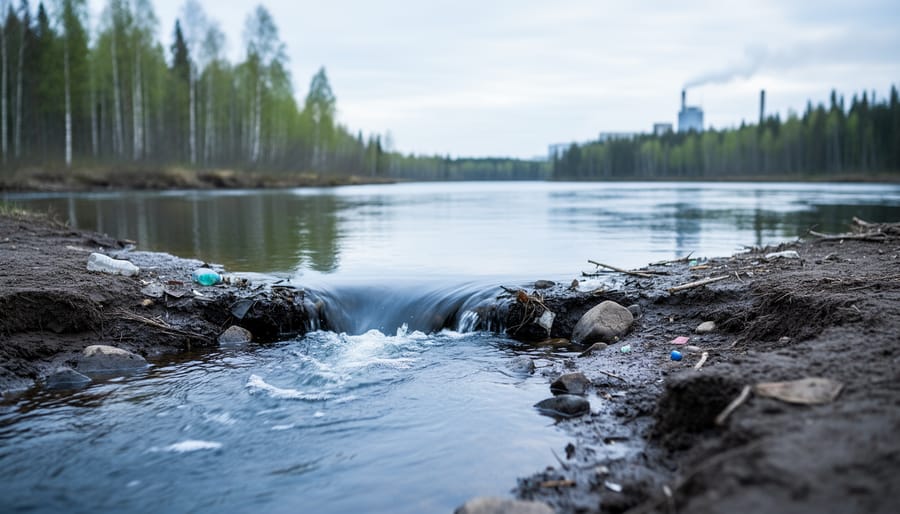
Quebec’s biggest environmental problems are water contamination, loss of wetlands and farmland to development, greenhouse gas emissions from transportation and industry, and the uneven way pollution lands on communities. Indigenous nations, low-income neighbourhoods, and rural towns near mines, quarries, and industrial sites often carry the heaviest burden, while having the least say in decisions that affect their air, water, and land.
That uneven burden is an environmental justice issue, and it matters well beyond the province. The St. Lawrence River supplies drinking water to millions. Quebec’s boreal forests store vast amounts of carbon. Its farmland feeds families from Gaspé to Gatineau. When these shared gifts are harmed, everyone pays, but not equally.
The good news is that ordinary people have real power here. Quebec law gives residents rights to information, to public consultation, and to file complaints when they suspect harm. Neighbours, congregations, parish councils, and community groups have used those tools to protect rivers, stop unsafe projects, and push for cleaner air.
This article breaks down the main issues, explains who can take action and what your rights and obligations are, and points you to where you can get help. For current figures and active cases, we direct you to official provincial and federal sources, so you’re working with the latest information. Caring for creation starts with understanding it. Let’s begin.
What Are Quebec’s Environmental Problems, and Who Carries the Heaviest Burden?
Land, Water, and Air: The Everyday Problems Communities Face
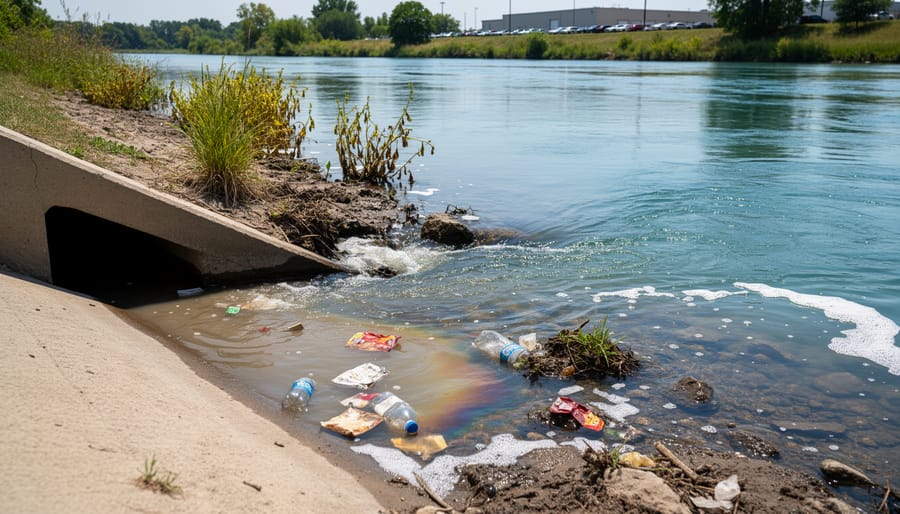
Walk down almost any street in Quebec and you’ll find an environmental story hiding in plain sight. It might be a neighbour who filters every glass of tap water, a parent who watches the air quality forecast before sending a child out to play, or a grandmother who remembers the marsh that used to sit where the parking lot is now.
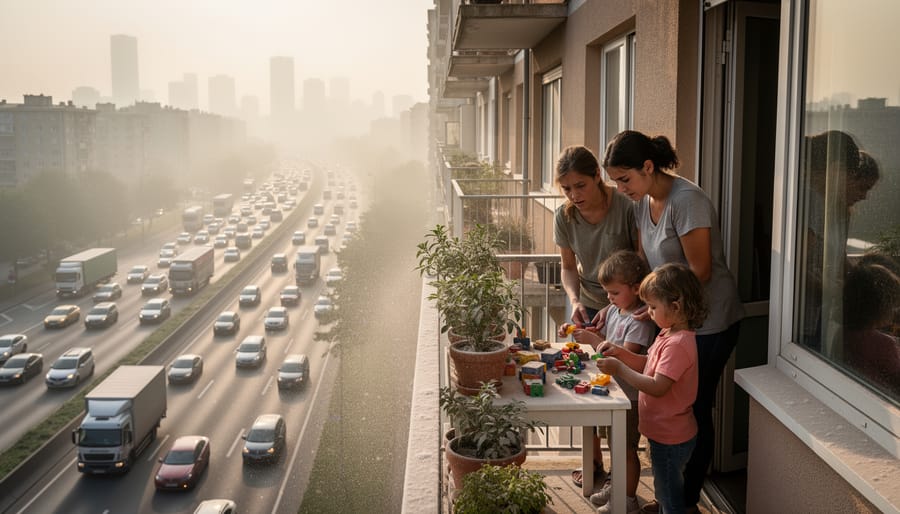
These worries show up in four main places. On land, former industrial lots and old fuel depots can leave soil contaminated for decades, and the federal Quebec contaminated sites data shows how many properties are tracked. In the air, heavy truck traffic and industrial corridors can leave nearby neighbourhoods breathing more fine particles than others. In water, aging pipes, runoff, and pressure on lakes and rivers raise real questions about what comes out of the tap. And across the landscape, development steadily replaces natural habitat, including wetlands in Quebec that filter water and soften floods, along with forests that clean the air.
| Problem area | Communities most affected | Why it matters for justice |
|---|---|---|
| Contaminated soil and industrial sites | Neighbourhoods near former factories and fuel depots | Cleanup is slow, and nearby residents carry the health worry |
| Air quality and transportation | Residents near highways and industrial corridors | Daily exposure is hard to avoid without the means to move |
| Water and wetlands | Rural, remote, and First Nations communities | Safe water is a basic need, and fewer resources mean slower fixes |
| Forests and resource extraction | Indigenous nations and northern regions | Traditional lands and livelihoods are directly at stake |
| Flooding and heat | Low-income renters and older adults | Those with the least cushion recover the slowest |
Notice who keeps appearing in that middle column. Research on socioeconomic status and health shows that people with fewer resources often live closest to pollution and have the least room to absorb its effects. Caring for creation and caring for neighbours turn out to be the same work.
When the Burden Is Not Shared Equally
Pollution does not land evenly. Across Quebec, the places that live closest to contamination, heavy industry, and failing infrastructure are often the places with the fewest resources to push back. That is the heart of the environmental justice lens: asking not only what is harming the land and water, but who is carrying the weight.
Many First Nations and Inuit communities face this reality directly. Some deal with drinking water that needs boil advisories, fuel storage that sits close to homes, or traditional hunting and fishing grounds affected by development they never had a full say in. Remote regions often struggle with limited access to monitoring, health services, and quick emergency response. In cities, lower-income neighbourhoods tend to sit beside highways, rail yards, and industrial zones, where residents breathe the air that wealthier areas avoid.
These patterns repeat across the country, and looking at real environmental justice examples helps make them easier to recognize at home. The people most affected are often described as environmental justice communities and their voices belong at the centre of any conversation about solutions, not at the edges.
Many faith traditions speak of stewardship, the idea that we are caretakers of the earth rather than owners of it. They also teach that care for creation and care for our neighbours cannot be separated. When a child breathes unsafe air or a family cannot trust its tap water, both the land and the person have been harmed.
You do not need to share a faith to feel the pull of that idea. Whether it comes from scripture, from Indigenous teachings about relationship with the land, or from a simple sense of fairness, the conviction is the same: a healthy environment is something we owe one another, especially those with the least power to demand it.
Who Can Take Action? Eligibility and Standing in Quebec’s Environmental Processes
One of the most common worries people have is whether they’re “allowed” to speak up. In Quebec, the answer is usually yes. Many environmental processes were built so that ordinary people can take part, and you don’t need a degree, a lawyer, or a big budget to start.
The main doors open to the public are consultations, complaints, and requests for information or investigation. Public consultations let residents weigh in on projects and policies that could affect their land, water, or air. Complaints let you flag a suspected problem, such as pollution or an unauthorized activity, so the responsible authority can look into it. Information requests let you see what’s on record about a site or project in your area. Each has its own rules and deadlines, so it helps to know who generally fits where:
- Individual residents can usually take part by submitting a comment, a concern, or a request, often with proof that they live in or are affected by the area.
- Neighbourhood associations and faith-based groups can often participate collectively, sometimes needing to show who they represent or how they’re organized.
- Non-profit organizations may file submissions or requests, and registered groups can sometimes carry more weight when speaking for a wider community.
- Indigenous communities and governments may have distinct consultation rights and separate channels, grounded in their status as nations rather than as general stakeholders.
That last point matters. Eligibility isn’t identical for everyone. First Nations and Inuit communities often have a different relationship with government decision-making, shaped by treaties, land title, and the duty to consult. To understand why those distinctions exist, it helps to look at how Indigenous rights shape who must be heard and how.
Standing can also depend on the process itself. A formal hearing may ask you to show a direct interest, while an open consultation might welcome anyone who cares. If you’re unsure, ask. Staff at the relevant office are generally there to explain how a process works.
Because rules, thresholds, and timelines change, please confirm the current details with the official Quebec and federal sources before you act. A quick call or a visit to the official website can save you time and keep your voice from being set aside on a technicality. You belong in these conversations, and so do your neighbours.
Your Rights and Responsibilities When Environmental Harm Affects Your Community
Rights You Can Stand On
In Quebec, a few core rights stand behind anyone who cares about the air, water, and land in their community. Knowing them turns worry into something you can act on.
The first is the right to live in a healthy environment that respects biodiversity. Quebec’s Charter of Human Rights and Freedoms recognizes this, and the Environment Quality Act builds on it. In practice, it means you have a legitimate voice when pollution, contaminated land, or damaged ecosystems threaten your neighbourhood. You don’t need to be an expert to speak up.
The second is the right to information. Public bodies hold records about environmental decisions, permits, and assessments, and in many cases you can ask to see them. When you understand what has been approved near your home and why, you can ask better questions and spot gaps that others might miss.
The third is the right to take part. Many projects and policies with environmental effects go through public consultation, where residents, community groups, and Indigenous nations can share concerns and shape outcomes. These processes exist so that decisions are not made only by those who stand to profit.
These rights belong to everyone, whether you’re a long-time resident, a newcomer, a member of a faith community, or part of a First Nation. Because laws and procedures change, check the official Quebec government website for the current wording and steps before you act.
Steps to Raise a Concern or Make Your Voice Heard

Raising a concern doesn’t take a law degree, just patience and a plan. Here is a realistic path you can follow.
Start by writing down what you see. Note the date, time, location, and what you observed, such as odours, discoloured water, dust, or noise. Take photos and keep them with your notes. Check with neighbours too, since a pattern reported by several people carries more weight than a single complaint.
Next, contact the right office. For problems like industrial emissions or contaminated land, begin with Quebec’s environment ministry and your municipality. Federal bodies may be the right door for issues involving federal lands or waters. Check each office’s official website for the current way to file a complaint, and ask for a reference number so you can follow up.
Then look for a public consultation on a project or policy affecting your area. These are open to ordinary residents, and a short, clear written comment can matter more than people expect. It also helps to understand who benefits when policies change because that question often shapes how decisions get made.
Finally, don’t go it alone. Join a local environmental group, a community association, or a faith community that cares for creation. Shared voices are harder to ignore, and the work is lighter when carried together.
Keep your expectations steady: responses can take time, and persistence, paired with kindness, tends to open doors that anger closes.
Where to Get Help: Official Offices, Community Organizations, and Faith-Based Allies
When environmental harm touches your neighbourhood, you do not have to sort it out alone. Help usually comes from several directions at once, and knowing which door to knock on first can save a lot of frustration.
Start with government. Quebec’s environment ministry is the main provincial body for complaints about pollution, contaminated sites, and permits, and its website explains how to report a concern and request information. At the federal level, Environment and Climate Change Canada and Health Canada publish guidance on air quality, water, and toxic substances. Your local municipality matters too, since city or town offices often handle zoning, waste, noise, and local water systems. Because phone numbers, forms, and programs change, always confirm the current details on each office’s official website.
If your concern involves legal questions, look for legal aid services and environmental law clinics. Some university-based clinics and non-profit legal organizations offer information or support to residents and community groups, though eligibility varies. A simple call or web search for what is available near you is a sensible first step.
Community organizations can be your strongest allies. Local watershed groups, neighbourhood associations, and Indigenous-led environmental organizations often know the history of a site, the right officials to contact, and how to organize a collective response. Indigenous nations and communities hold deep knowledge of the land and water, and their leadership deserves respect and support. Listening first is a good place to begin.
Faith communities are another source of strength. Many congregations, parishes, mosques, synagogues, and interfaith networks organize around creation care, combining prayer, education, and practical action. You do not need to share a particular belief to join a shared effort to protect clean air, water, and land for your neighbours.
This is where Play Against All Odds does its work. As a faith-informed organization focused on climate justice and public policy, we partner with faith communities across Canada, helping people turn conviction into informed advocacy and connecting local concerns to the policies that shape them.
Whichever path you choose, keep notes of dates, photos, and who you spoke with. Clear records strengthen every conversation that follows.
Common Questions About Environmental Justice and Quebec’s Environment
Questions about Quebec’s environment tend to come from people who care deeply but aren’t sure where to begin. Here are honest, plain answers to the ones we hear most often.
Do I need a lawyer to file a complaint?
In most cases, no. Residents can generally raise concerns directly with the relevant government office or municipality without legal representation. If your situation is complex or involves a dispute, a legal aid office or environmental law clinic can help you decide whether to get advice.
Can a group act on behalf of a community?
Often, yes. Community organizations, citizen groups and Indigenous nations can take part in public consultations and raise concerns together. Rules vary by process, so confirm the current requirements with the official body involved.
How does environmental justice differ from environmentalism?
Environmentalism focuses on protecting nature. Environmental justice adds a question of fairness: who lives closest to pollution, who is heard in decisions, and who has the resources to respond. The two work best hand in hand.
How can people of faith get involved?
Many congregations begin by learning together, then join creation care groups, support local clean-up and advocacy efforts, or speak up in public consultations. Caring for creation and for vulnerable neighbours is a shared calling that people of every belief can embrace.
A final question deserves its own answer: where can you find reliable information about your area? Start with the websites of Quebec’s environment ministry and your municipality, along with federal environment and health resources. Local watershed groups and community organizations often add the on-the-ground context that official pages leave out. Because laws, programs and contact details change, always check the official source for current information before you act.
You don’t need to be an expert to ask good questions. Curiosity, care and a willingness to listen are where most meaningful change begins.
Quebec’s environmental challenges are not Quebec’s alone. The water that runs through its rivers, the air that drifts across its borders, and the forests that hold carbon for the whole country all connect us. When a community in one region faces contamination or a warming climate, the call to care belongs to every Canadian. Looking after creation and looking after our neighbours are really the same task.
Here is the encouraging part. Ordinary people have been shaping better public policy in this country for more than fifty years. Neighbours who showed up to consultations, families who documented what they saw, congregations that prayed and then organized, Indigenous leaders who held on to their responsibilities to the land: they changed outcomes. Your voice and your presence have weight, and they always have.
You do not need to do everything. You only need to do something. This week, pick one concrete step. Read up on a local environmental issue, send a clear and respectful concern to the right office, or talk with someone in your community about what you’ve learned.
If you’d like to go further, subscribe to our newsletter for practical updates on climate justice and public policy. Volunteer with us and bring your gifts, whatever they are. Let’s stand together, with hope and with resolve, for the land, the water, and every neighbour who depends on them.