
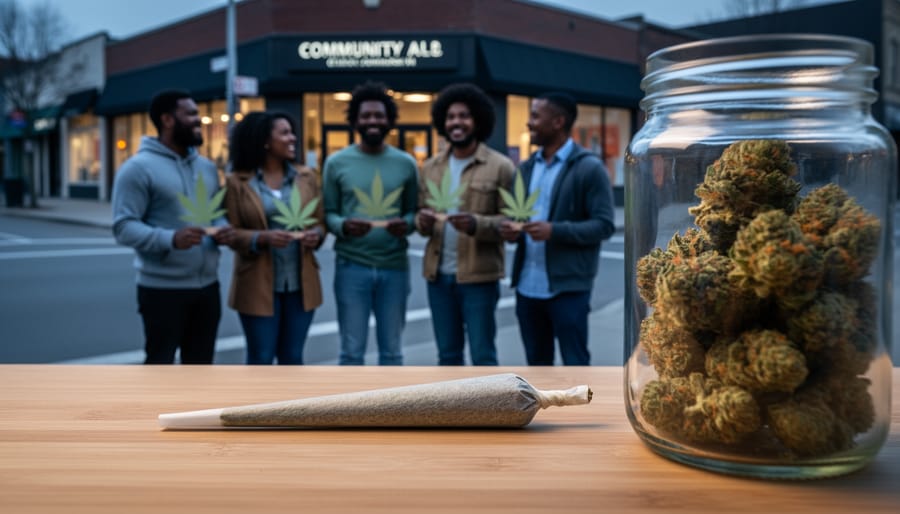
Canada’s cannabis legalization promised a new era of equity, but six years after adult-use reform, systemic barriers still prevent many Canadians from participating in the legal market, especially communities harmed most by prohibition. Emerging cannabinoids like THCA (tetrahydrocannabinolic acid, the non-intoxicating precursor to THC) represent both an economic opportunity and a justice challenge: as consumers buy THCA pre-rolls and explore novel cannabis experiences, the question remains whether the benefits will reach those who suffered disproportionately under criminalization.
Social justice in cannabis policy means confronting the reality that Black and Indigenous Canadians were arrested and convicted at far higher rates for cannabis offences before legalization, yet remain largely shut out from ownership, licensing, and wealth-building in the legal industry. The Cannabis Act of 2018 opened doors for corporate players but offered little meaningful repair for individuals carrying criminal records or lacking startup capital. Faith communities committed to restorative justice recognize this as a moral imperative: true reconciliation requires more than simply legalizing a plant. It demands intentional policy that prioritizes expungement, economic inclusion, and community reinvestment.
As THCA products gain traction in 2026, Canadian policymakers face a choice. Will new cannabinoid markets replicate the inequities of the past, or will they become platforms for economic healing? This article examines how THCA intersects with Canada’s evolving cannabis framework, where current social equity efforts fall short, and what faith-driven advocates can do to champion policies that reflect principles of justice, dignity, and shared prosperity.
Understanding THCA: The Cannabis Component at the Heart of Pre-Roll Products

Before understanding who controls Canada’s cannabis market, we need to understand what they’re actually selling. THCA pre-rolls have emerged as a significant product category, yet many Canadians remain unclear about what distinguishes them from traditional cannabis offerings.
THCA, or tetrahydrocannabinolic acid, exists naturally in raw cannabis plants. Unlike THC, which produces the intoxicating effects cannabis is known for, THCA in its original form is non-intoxicating. The compound only becomes THC through heat, a chemical process called decarboxylation. This happens when you light a joint, vape flower, or bake cannabis into edibles.
- THCA (Tetrahydrocannabinolic Acid)
- The non-intoxicating acidic precursor to THC found in raw cannabis plants. It converts to THC only when exposed to heat.
- Decarboxylation
- The chemical process that transforms THCA into THC through heating, whether by smoking, vaping, or cooking. This conversion is what creates cannabis’s intoxicating effects.
- Pre-roll Products
- Ready-to-smoke cannabis joints sold commercially, available in various strains and THCA concentrations. They represent one of the fastest-growing product categories in Canada’s legal market.
Pre-rolls containing high THCA strains appeal to consumers seeking convenience and potency. As Health Canada continues to regulate new cannabis products entering the market, these offerings represent significant profit potential. The question becomes: who benefits from this innovation? While corporate producers invest in developing and marketing THCA products across Canada, communities most harmed by cannabis prohibition face systemic barriers to participating in this expanding market. Understanding the product itself helps us recognize what’s at stake when we talk about who gets to profit from cannabis legalization.
The Promise and the Reality: Five Years of Cannabis Legalization
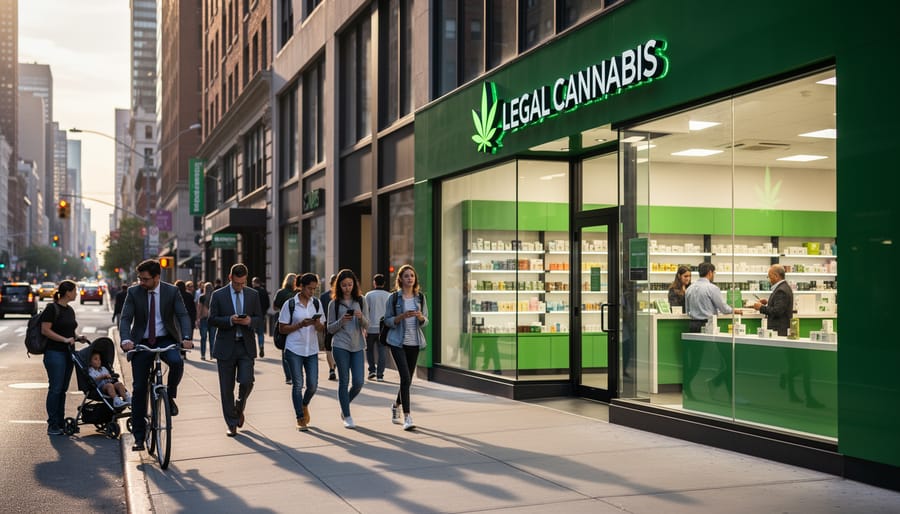
When Canada legalized recreational cannabis in October 2018, the promise was transformative. The new framework would regulate a safer market, keep profits away from organized crime, and, implicitly, turn the page on decades of prohibition that had disproportionately criminalized Black, Indigenous, and low-income communities. Five years later, the reality tells a different story.
By October 2023, as Canada’s cannabis framework reached its five-year milestone, a legislative review report delivered a sobering assessment. The industry had grown into a multi-billion-dollar market, complete with sophisticated product lines ranging from edibles to THCA pre-rolls. Corporate players had consolidated control. Yet the communities most harmed by prohibition remained locked out. The report found that Black and Indigenous people, along with women, remain starkly underrepresented in leadership lacks diversity across the Canadian cannabis sector. The very people who bore the brunt of enforcement saw little of the economic opportunity legalization created.
This isn’t merely a diversity problem. It’s a justice deficit. Legalization erased the legal risk for cannabis entrepreneurs but did nothing to erase the criminal records of those convicted under the old regime. It opened licensing pathways for well-capitalized applicants while maintaining barriers that exclude anyone with a cannabis-related conviction, the exact population that paid the highest price under prohibition. The industry’s growth has enriched a narrow band of investors and operators, while the neighbourhoods that experienced aggressive policing have seen no reinvestment, no repair, no meaningful inclusion.
The October 2023 report’s central recommendation, to expand the Cannabis Act’s purpose to explicitly include social responsibility and social equity, wasn’t a call for cosmetic change. It was an acknowledgment that legalization, as designed, failed to deliver justice. Five years in, Canada’s cannabis market reflects the same patterns of exclusion and inequity that prohibition entrenched. The framework may have changed, but the outcomes for marginalized communities have not.
Communities Left Behind: The Social Justice Deficit in Cannabis Policy
The Expungement Gap
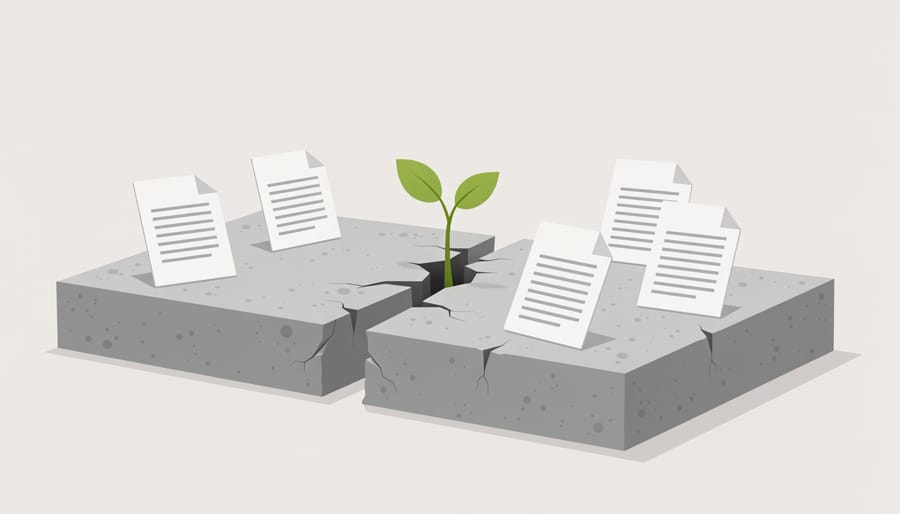
When Canada legalized cannabis in 2018, the government introduced a pardon process for past cannabis possession convictions, later rebranded as expungement. Yet this remedy has proven painfully inadequate. Thousands of Canadians still carry criminal records that block them from employment, housing, and crucially, from obtaining the licenses required to participate in the very industry that now operates legally. The application process itself demands documentation many cannot easily produce, requires navigating bureaucratic systems that feel designed to discourage rather than welcome, and offers no guarantee of approval.
Meanwhile, corporate cannabis operations flourish without these barriers. The irony cuts deep: individuals who served sentences, paid fines, or lost years to prohibition-related convictions now watch from the sidelines as others profit from selling the same plant. For Black and Indigenous communities disproportionately targeted during prohibition, this expungement gap represents not just policy failure but ongoing injustice. A truly restorative approach would move beyond voluntary applications to automatic record clearing, removing the burden from those already harmed and opening pathways to economic participation in the legal market they helped create through their unjust punishment.
Economic Exclusion in a Booming Market
Canada’s legal cannabis market has grown into a multi-billion-dollar industry, yet the communities that bore the brunt of prohibition remain shut out. Corporate players dominate the landscape, backed by significant capital and established business networks that were never available to those criminalized under the old system. The result is an industry where those who suffered most from cannabis laws find themselves locked out of legitimate participation.
The barriers are both practical and systemic. Licensing requirements demand substantial upfront capital, legal expertise, and commercial real estate, resources that communities facing economic marginalization simply don’t have. Meanwhile, a criminal record for cannabis possession, which disproportionately affects Black and Indigenous Canadians, can disqualify individuals from participating in the very industry built on what they were once arrested for selling.
This exclusion extends across the entire cannabis supply chain, from cultivation facilities to retail storefronts to emerging product categories like THCA pre-rolls. Large corporations secure prime retail locations and distribution networks while would-be entrepreneurs from affected communities struggle to access basic business banking, let alone navigate Health Canada’s complex regulatory framework for new product development.
The irony cuts deep: legalization created wealth and opportunity, but directed it toward those who already had resources and social capital, not those who paid the price during prohibition.
The Call for Social Responsibility in the Cannabis Act
The October 2023 report responding to the Cannabis Act’s legislative review didn’t mince words: after five years of legalization, Canada’s cannabis framework must expand its core purpose to include social responsibility and social equity. This wasn’t a minor tweak suggestion. It recognized that Black and Indigenous people, along with women, remain starkly underrepresented in leadership positions across the industry, a failure that mirrors the broader inequities prohibition created and legalization has yet to address.
What would social responsibility in the Cannabis Act actually mean? It starts with licensing priorities that favour applicants from affected communities and require diversity benchmarks in corporate leadership. It extends to product accessibility, ensuring emerging categories like THCA pre-rolls don’t become another avenue for corporate consolidation that locks out smaller, community-rooted producers. Health Canada’s new product notification requirements could incorporate equity assessments: who develops these products, who profits from them, and whether barriers exist for entrepreneurs facing integration barriers due to past convictions.
Social equity provisions could mandate revenue reinvestment into communities damaged by the war on drugs, funding programs to reduce poverty and create economic pathways. They could prioritize regaining Indigenous rights to cannabis cultivation and sales on traditional territories, respecting sovereignty rather than imposing colonial licensing structures. The framework exists in other jurisdictions: Illinois directs cannabis tax revenue to communities harmed by prohibition, while California reserves licenses for equity applicants.
Canada has the blueprint. The question is whether lawmakers possess the political will to embed justice into the Act’s foundation, or whether legalization will continue enriching those who never faced its criminal consequences.
A Faith-Driven Vision for Cannabis Justice
When communities face systems that criminalize, exclude, and extract profit from their pain, the response must be more than policy adjustment. It requires moral reckoning. Canada’s cannabis legalization promised a new beginning, but five years in, the evidence reveals how easily justice rhetoric becomes corporate opportunity while affected communities remain locked out. For faith-driven advocates, this should sound familiar. It echoes every system that prioritizes profit over people, every structure that perpetuates harm while claiming progress.
Biblical justice has never been about maintaining comfortable arrangements. It demands restoration where systems have caused harm. It insists on dignity for every person, not just those positioned to capitalize on changing laws. Cannabis justice, viewed through this lens, becomes an urgent test of whether Canada will merely regulate a commodity or truly repair the damage done to Black, Indigenous, and other marginalized communities who bore the brunt of prohibition.
The faith tradition calls us to accountability. When systems perpetuate harm, we cannot simply celebrate their slight improvements. We must name the gap between promise and reality. The October 2023 report highlighting underrepresentation of Black, Indigenous, and women leaders in Canada’s cannabis industry after five years of legalization reveals exactly this gap. Legalization happened. Justice did not follow.
Cannabis policy reform connects directly to broader advocacy work. It intersects with criminal justice reform, economic inclusion, racial equity, and the fundamental question of who deserves second chances. When someone carries a cannabis conviction that prevents them from working in the now-legal industry, that’s not just bad policy. It’s a system refusing to acknowledge its own transformation, punishing people for behaviour it no longer considers wrong.
This is where faith communities must engage, not despite the cannabis context but because justice demands consistency across all marginalized communities.
What True Cannabis Equity Could Look Like
True cannabis equity in Canada requires moving beyond reactive policy fixes toward a transformative vision. Picture a licensing system that reserves seats at the table for those who paid the price during prohibition: people with prior cannabis convictions given priority access to retail licenses and cultivation permits, with reduced fees and technical support to help them compete. These social equity licensing programs, proven in U.S. states like Illinois and Massachusetts, recognize that those harmed most should benefit first from legalization, whether they’re producing traditional flower or emerging products like THCA pre-rolls.
Community reinvestment shifts profits from cannabis sales back to neighborhoods devastated by enforcement. A percentage of excise tax revenue could fund youth programs, addiction services, and small business grants in communities with historically high cannabis arrest rates. This model treats legalization not as a windfall for government coffers but as an opportunity to repair harm. Automatic expungement completes the picture: every cannabis-related record sealed without application fees or bureaucratic hurdles, removing barriers to housing, employment, and industry participation.
Meaningful representation requirements would mandate diversity targets for corporate boards and leadership positions, backed by consequences for non-compliance. The October 2023 report noted underrepresentation of Black and Indigenous people and women in industry leadership; equity demands reversing this pattern through policy, not goodwill. These standards must apply across the entire supply chain, from traditional cultivation operations to companies developing THCA strains and pre-roll products.
This vision aligns naturally with how faith communities and policy advocates approach justice: restoration over punishment, centering those pushed to the margins, and holding systems accountable for their legacy. Cannabis equity isn’t charity. It’s what justice requires when a once-criminalized activity becomes a multi-billion-dollar industry.
How Advocates Can Move the Needle
Advocacy for cannabis justice doesn’t require specialized expertise, it demands commitment to showing up for communities that prohibition harmed most. Faith communities and social justice advocates already possess the organizing infrastructure, moral clarity and relational networks to influence policy reform. The question isn’t whether to engage, but how to direct that capacity toward tangible change.
Start with these concrete actions:
- Educate your faith community or advocacy network about the connection between cannabis prohibition and systemic racism. Host discussions that link cannabis justice to the truth behind poverty mass incarceration and economic exclusion facing Black and Indigenous Canadians.
- Contact your Member of Parliament regarding the ongoing legislative review of the Cannabis Act. Reference the October 2023 recommendations to expand the Act’s purpose to include social responsibility and equity. Ask specifically what your representative supports to address industry underrepresentation and barriers facing affected communities.
- Redirect purchasing power toward equity-focused cannabis businesses when possible, particularly those led by people from communities criminalized under prohibition. Economic support matters.
- Advocate for automatic expungement of cannabis-related convictions. Write letters, sign petitions and amplify the voices of those still carrying criminal records for actions now legal and profitable.
- Connect cannabis justice to your broader criminal justice reform work. The same systems that perpetuated cannabis criminalization continue to harm marginalized communities across multiple dimensions.
Partner with organizations already doing this work rather than starting from scratch. Many groups led by affected communities need amplification, funding and political pressure more than new initiatives. Effective advocacy recognizes that those closest to the harm hold the clearest vision for repair. Your role may be using your platform and access to remove obstacles they face, ensuring their expertise shapes the policy conversations that will determine whether Canada’s cannabis industry becomes a model of restorative justice or another vehicle for inequality.
Canada’s approach to cannabis legalization reveals more than policy choices, it exposes how deeply we’re willing to examine systems that perpetuate injustice. Five years after legalization, with Black, Indigenous, and women leaders still underrepresented in the industry, cannabis policy has become a mirror reflecting our commitment to reconciliation and equity. The question isn’t whether THCA pre-rolls or new cannabis strains will succeed in the market. The question is whether the communities criminalized under prohibition will ever share in the prosperity legalization creates.
This isn’t a niche concern for cannabis enthusiasts. It’s a test case for how Canada confronts systemic harm. When we criminalize people for cannabis possession, destroy their economic futures through criminal records, then build a multibillion-dollar industry they cannot enter, we perpetuate the very exclusion our faith calls us to oppose. Justice demands restoration, not simply the absence of new harm.
The work ahead connects cannabis equity to every struggle for dignity and inclusion. Advocate for Cannabis Act amendments that centre social responsibility. Support community organizations working with those affected by cannabis convictions. Recognize that dismantling one unjust system strengthens the foundation for confronting others. Cannabis justice isn’t separate from climate justice, racial justice, or economic justice, it’s woven into the same call to stand with marginalized communities. The path forward requires not just policy change but a commitment to the restoration our faith demands and our neighbours deserve.